Document collections
Governance
Primary SourceDOC-154
Federal Constitutional Law No. 5-FKZ on the Admission of the "Donetsk People's Republic" to the Russian Federation, with Presidential Decree No. 705 Appointing its Acting Head (4 October 2022)
The admission law for the "DPR": citizenship by recognition (art. 5), presidential appointment of the acting Head (art. 8, exercised in Decree 705) and recognition of pre-annexation documents only (art. 12).
Primary SourceDOC-155
Federal Constitutional Law No. 8-FKZ on the Admission of Kherson Oblast to the Russian Federation (4 October 2022)
The Kherson counterpart of Law 5-FKZ: admission of the whole oblast, citizenship by recognition, a Moscow-appointed acting governor and a transition regime to 2026.
Primary SourceDOC-158
Government Resolution No. 2559 on Measures to Ensure the Martial Law Regime and Special Procurement Rules for the Occupied Territories (31 December 2022)
Single-supplier procurement without tender or publication for all state and municipal purchasing in the four occupied regions under martial law.
Primary SourceDOC-103
Donetsk People's Republic: Constitution (Consolidated Text, March 2020)
Constitutional foundation for the entire DPR legal order, adopted 2014 and revised through March 2020. Underpins every legislative act and executive decree in this collection.
Primary SourceDOC-112
Treaty on the Accession of Kherson Oblast to the Russian Federation (30 September 2022)
Annexation treaty purporting to incorporate Kherson Oblast into the Russian Federation. Not recognised by Ukraine, the UN General Assembly (143 to 5), the EU, or the US.
Primary SourceDOC-113
RF Federal Constitutional Law: Ratification of the Treaty on the Accession of Kherson Oblast (4 October 2022)
Ratification law making the Kherson annexation enter the Russian legal order. Article 3 declares Kherson's borders to be the state border of the Russian Federation.
Primary SourceDOC-114
RF Presidential Decree No. 708 — Appointment of Acting Governor of Kherson Oblast (4 October 2022)
Decree appointing Vladimir Saldo as Acting Governor on the same day as the ratification law, integrating the occupation administration into the Russian federal executive hierarchy.
Primary SourceDOC-115
Zaporizhzhia Oblast (Occupied): Government Composition Amendment (2024)
Government composition document showing the occupation administration restructured to mirror a standard Russian federal subject, operating from Melitopol while Zaporizhzhia city remains under Ukrainian control.
Primary SourceDOC-123
Territorial Public Self-Government (TOS) Bodies in Mariupol (Decrees Nos. 1162–1166)
Five decrees (18 June 2026) rolling out Russian-style "territorial public self-government" bodies across Mariupol districts — approving territory boundaries and registering a charter.
Primary SourceDOC-125
Officials Authorised to Draw Up Administrative-Offence Protocols (Decree No. 1176)
Restates the list of Mariupol officials empowered to issue administrative-offence protocols — including for "obstruction of the lawful activity of local self-government".
Primary SourceDOC-126
Municipal-Servants' Conduct and Conflict-of-Interest Commission (Decree No. 1177)
Approves the regulation and membership of the commission on municipal servants' official conduct and conflicts of interest, modelled on the Russian federal template.
Economics
Primary SourceDOC-156
Government Resolution No. 2565: Rules for Subsidising Mortgages Issued to Citizens of the Russian Federation for Housing in the Occupied Territories, the "2 Per Cent Mortgage" (31 December 2022)
The "2 per cent mortgage" for the occupied regions: federal subsidies through DOM.RF for housing loans available only to citizens of the Russian Federation.
Primary SourceDOC-157
Federal Laws No. 266-FZ on the Free Economic Zone in the Occupied Territories and No. 268-FZ Amending the Tax Code for its Participants (24 June 2023)
The free economic zone covering all four occupied regions, with tax and customs preferences for businesses that register under Russian law.
Primary SourceDOC-095
Official Market Valuation of Residential Property in Mariupol, 2026
Decree setting the official average market price per square metre of residential property in Russian-occupied Mariupol for 2026: 146,212 rubles (primary market) and 80,695 rubles (secondary market).
Primary SourceDOC-096
Auction Decree: Municipal Property Lease, Lenin Prospekt & Metallurgov Prospekt, Mariupol
Decree authorising the electronic auction of two non-residential municipal properties on five-year leases under Russian federal competition law.
Primary SourceDOC-097
Subsidy Amendment: MUP Mariupolzhilkompleks Wage Arrears, January–February 2026
Decree amending a subsidy scheme to cover wage debt owed to employees of the municipal housing utility enterprise MUP "Mariupolzhilkompleks" for January–February 2026.
Primary SourceDOC-098
Auction Decree: Municipal Property Lease, Stroiteley Prospekt & Lenin Prospekt, Mariupol
Decree authorising the electronic auction of two further non-residential municipal properties on five-year leases under Russian federal competition law.
Primary SourceDOC-100
Full Auction Documentation: Municipal Property Leases, Mariupol (April–May 2026)
Complete auction documentation package for the electronic tender of two Mariupol municipal properties via the Russian federal RTS-Tender platform. Application window 15 April–5 May 2026; auction date 7 May 2026.
Primary SourceDOC-127
Investor Inquiries and Investment-Project Support Regulations (Decree No. 1178)
Approves regulations for receiving investor inquiries and "accompanying" investment projects in Mariupol, modelled on Russia's Regional Investment Standard.
Primary SourceDOC-129
Small and Medium Enterprise Development Programme 2026–2028 (Decree No. 1180)
Approves the SME programme: 10,744 SMEs as of Jan 2026 (up 21%, attributed partly to the "free economic zone"), targeting 8,865 registered SMEs by 2028.
Primary SourceDOC-130
Liquidation of the Municipal Housing Enterprise "Mariupolzhilkompleks" (Decree No. 1181)
Orders the municipal housing-maintenance enterprise "Mariupolzhilkompleks" wound up within a year and appoints a liquidator — months after the administration subsidised its wage arrears (DOC-097).
Primary SourceDOC-139
Post-Industrial Park: Development Project for the Azovstal Plant Territory, Mariupol
A 2024 Agency for the Development of Mariupol project to convert the former Azovstal steelworks into a 125-hectare industrial-tourism park billed as the principal industrial monument-museum of Russia.
Primary SourceDOC-140
"Residence" Collection House: Elite Housing Sales Brochure, Mariupol (YugStroyInvest)
A private developer's marketing brochure for a premium residential complex on occupied Mariupol's Primorsky seafront. It sells the city as a future Russian resort "alongside Sochi, Kislovodsk and Gelendzhik," invites buyers to open a business "in the new territories of the RF among the first" under free-economic-zone tax breaks, and quotes Deputy Prime Minister Marat Khusnullin calling the "new regions" Russia's biggest construction project.
Education and Militarisation
Primary SourceDOC-165
Rosmolodezh Methodological Recommendations on Preventing the Spread of the Ideology of Terrorism, Extremism and Neo-Nazism among Young People from the Occupied Territories (28 February 2025)
The federal youth agency's manual for the occupied regions: Ukrainian nationalism as "the historical basis" of extremism, and the FSB, Rosgvardia, police and prison service as partners in youth work.
Primary SourceDOC-132
Russian National Guard (Rosgvardia) Security Services at a Kindergarten, Telmanovsky District
A redacted contract addendum showing the Russian National Guard (Rosgvardia) contracted to service the security systems of the "Katyusha" kindergarten in occupied Telmanovsky district.
Primary SourceDOC-167
Ministry of Education Order No. 370: Federal Educational Programme for Basic General Education, Section 166, the Federal Work Programme of Upbringing (18 May 2023)
The federal upbringing programme every school must follow: patriotism and "respect for the memory of the defenders of the Fatherland" as aims, military-patriotic courses among extracurricular activities. Extract of section 166 from the 5,683-page act.
Primary SourceDOC-161
Presidential Decree No. 809 on Traditional Russian Spiritual and Moral Values (9 November 2022) and Ministry of Education Order No. 808 Introducing the Compulsory Course "Spiritual and Moral Culture of Russia" (10 November 2025)
The values decree of 2022 and the 2025 order that turns it into a compulsory school subject from September 2026, with "heroes of the special military operation" as exemplars.
Primary SourceDOC-162
The Federal Textbook List and Federal Literature List: Ministry of Education Orders No. 769 (5 November 2024), No. 258 (1 April 2025) and No. 495 (26 June 2025), with the List of Literary Works in the Federal Programmes
The lists that define what occupation schools may teach: native-language textbooks for Bashkir, Tatar and Adyghe, none for Ukrainian, and a federal literature canon with no Ukrainian work.
Primary SourceDOC-163
Ministry of Education Order No. 171 Amending the School Admission Procedure: Russian-Language Testing and Status Checks for Children Who Are Foreign Citizens (4 March 2025)
School admission conditioned on legal status and a Russian-language test for children who are foreign citizens, which in the occupied territories includes families that refused Russian passports.
Primary SourceDOC-099
"Development of Education in Mariupol" Municipal Programme, 2026–2028
Full text of the occupation administration's three-year education programme. Total budget RUB 8.76 billion. Objectives explicitly include "patriotic upbringing" and "formation of traditional Russian spiritual-moral values."
Primary SourceDOC-104
Donetsk People's Republic: Law on Education (Consolidated Text, December 2021)
DPR education law modelled on Russian Federal Law No. 273-FZ, replacing the Ukrainian curriculum with Russian federal standards and mandating Russian-language instruction.
Primary SourceDOC-105
Donetsk People's Republic: Law on Military Duty and Military Service (Law No. 08-INs, Consolidated March 2020)
Foundational DPR conscription statute defining who must serve, grounds for exemption (Article 23, amended by DOC-107), and obligations during mobilisation. Direct statutory basis for DOC-108.
Primary SourceDOC-106
Donetsk People's Republic: Law on Mobilisation Preparation and Mobilisation (Law No. 10-INs, 22 September 2021)
Governs the full cycle of DPR mobilisation planning. Adopted five months before the general mobilisation decree; the direct statutory basis for Decree No. 29 (DOC-108).
Primary SourceDOC-107
Donetsk People's Republic: Law No. 376-IINs — Amendment to Article 23, Law on Military Duty
Amendment narrowing conscription exemption grounds in the period before the February 2022 general mobilisation. Part of the stepwise pre-invasion tightening of the DPR military duty framework.
Primary SourceDOC-108
Decree of the Head of the DPR No. 29 — On the Conduct of General Mobilisation (19 February 2022)
Signed by Denis Pushilin five days before Russia's full-scale invasion, declaring general mobilisation and ordering all conscription-age men to report to military commissariats.
Primary SourceDOC-116
Zaporizhzhia Oblast (Occupied): Regulations on the Organisation and Activity of the Ministry of Education
Regulations establishing the ZO Ministry of Education under the Russian federal framework: the institutional and legal basis for replacing Ukrainian-language schooling with Russian federal curriculum standards.
Primary SourceDOC-117
Luhansk People's Republic: Law Amending Article 53 of the Law on Military Duty and Military Service
LPR counterpart to the DPR conscription amendment (DOC-107): exemption grounds narrowed in the same pre-invasion period, reflecting coordinated Russian oversight of both entities' legislation.
Primary SourceDOC-118
Luhansk People's Republic: Decree on Restrictions on Departure of Citizens Subject to Military Duty During General Mobilisation
Travel ban preventing conscription-age men from leaving LPR-controlled territory without military commissariat permission. The enforcement corollary of the February 2022 general mobilisation declaration.
Primary SourceDOC-119
Presidential Instructions: Expansion of the Defenders of the Fatherland Foundation to Occupied Ukrainian Oblasts (2025)
Kremlin instructions extending the veterans' welfare and ideological foundation to the four occupied oblasts, running patriotic school programmes and normalising military service across occupied territory.
Primary SourceDOC-120
Luhansk Oblast (Occupied): Conscription Decree No. UG-341/25 — Spring 2025 Call-Up (28 March 2025)
Spring 2025 call-up targeting citizens born 1995 to 2007. The youngest cohort (born 2007, aged 17–18) are the first generation schooled entirely under the Russian occupation curriculum.
Primary SourceDOC-121
RF Federal Law No. 423-FZ — Mandatory Military Training in Schools (4 August 2023)
Introduces Foundations of Security and Defence of the Motherland (weapons handling, drone operation, combat first aid) as a mandatory school subject from September 2024. Applies in occupied territories via formal annexation.
Primary SourceDOC-128
Youth Policy Programme Amendment: Youth Centre and Ideological Content (Decree No. 1179)
Amends the 2026–2028 youth-policy programme: a Rosmolodezh-aligned "Youth Centre", a 75%-by-2028 enrolment target, and "creation and dissemination of anti-terrorist content".
Primary SourceDOC-133
A Connection Between Generations: Movement of the First Youth Project, Kherson Oblast
A Rosmolodezh-funded book by the Kherson Oblast branch of Russia's state youth movement, Movement of the First, tying Second World War memory to the narrative of the war on Ukraine.
Primary SourceDOC-135
Calendar of the First: Movement of the First Monthly Activity Programme (September 2025)
The September 2025 activity calendar of Russia's state children and youth movement, Movement of the First, setting monthly tasks for children from kindergarten age upward.
Primary SourceDOC-136
Magazine of the First, Issue 2: Movement of the First, Kherson Oblast
The second issue of the Kherson Oblast branch magazine of Russia's state youth movement, distributed free in schools and youth centres, themed on Victory Day and the 'Year of the Defender'.
Primary SourceDOC-137
Magazine of the First, Issue 3: Movement of the First, Kherson Oblast
The third issue of the Kherson Oblast branch magazine of Russia's state youth movement, recording its activity from April to July 2025.
Primary SourceDOC-138
My Countrymen, Heroes of the Soviet Union: LNR Ministry of Education Reference Book
A reference book approved for schools of the self-proclaimed Luhansk People's Republic, containing 315 biographies of Heroes of the Soviet Union from the Luhansk region.
Primary SourceDOC-D4-1
Youth Library Recommended Reading List
Official reading list issued by a Russian state youth library, specifying titles recommended for young people in occupied territories.
Primary SourceDOC-D4-2
Russian State Children's Library (RGDB) Recommended Reading List
Recommended reading list issued by the federal Russian State Children's Library for children in Russian-controlled territories.
Primary SourceDOC-D4-3
Ministry of Education Recommended Reading List
Recommended reading list issued by the Russian Ministry of Education for schools in occupied territories.
Primary SourceDOC-D4-4
Year of the Family: Methodological Guide
Operational guide for running Year of the Family programme activities, a federally designated ideological campaign, in educational and community settings.
Primary SourceDOC-D4-5
OOVO Higher Education Competition: Methodological Recommendations 2025
Methodological recommendations for higher education institutions participating in the 2025 OOVO competition, a state-sanctioned patriotic activity programme for universities.
Primary SourceDOC-D4-6
Rosmolodezh: Preventing Extremism, Terrorism, and Neo-Nazism Among Youth (DPR, LPR, Zaporizhzhia, Kherson)
Federal guidance document specifically targeting occupied-territory youth populations, framing pro-Ukrainian sentiment under the criminalised categories of 'extremism, terrorism, and neo-Nazism'.
Primary SourceDOC-D4-7
Organising Student Work: Methodological Materials
Methodological materials for organising student activities within Russian administrative and ideological frameworks in higher education settings in occupied territories.
Primary SourceDOC-D4-8
Ukrainian Crimes (2022–2023)
A compilation of alleged Ukrainian conduct distributed in educational and administrative settings, an instrument of anti-Ukrainian narrative construction produced for use across occupied territories.
Primary SourceDOC-D4-9
Methods of TsIPsO (ed. 11.01.2024)
Russian state manual framing Ukrainian information and psychological operations as threats, distributed as a guide for occupation-era educators and administrators to identify and counter pro-Ukrainian messaging.
Primary SourceDOC-D4-10
Ukraine: History, Culture, and the Russian World – MGIMO Monograph (English-language)
An English-language academic monograph by MGIMO authors constructing a historical and cultural narrative hostile to Ukrainian sovereignty, evidence of systematic narrative production for international academic audiences.
Identity, Culture and Religion
Primary SourceDOC-133
State National Policy Strategy of the Russian Federation to 2036 (Presidential Decree No. 858, 25 November 2025)
Russia's master doctrine on ethnic, linguistic and religious policy, in force 1 January 2026. Makes counter-extremism a headline priority and ties it directly to the four occupied Ukrainian regions — imposing Russian, "countering falsification of history," and setting a target of 2.56 million occupied-region residents in all-Russian events by 2036.
Primary SourceDOC-164
Presidential Decree No. 474 Approving the Foundations of State Language Policy of the Russian Federation (11 July 2025)
The state language doctrine: Russian mandatory in administration, courts, schools and media, with protection reserved for the languages of the peoples of Russia, a category that excludes Ukrainian.
Primary SourceDOC-166
Regulation on the VIII International Contest of the Multi-Genre Culture of Peoples "Palette of Cultures", 2026 to 2027 School Year (Fund for the Support of Native Languages "Language of the Ancestors", approved 3 September 2026)
The rules of a national "native languages" contest for which children in occupied Mariupol were reportedly entered; the 2026 form does list Ukrainian, so the document corrects an earlier claim of exclusion.
Primary SourceDOC-109
RF Presidential Decree No. 304 (25 May 2022) — Simplified Citizenship Extended to Kherson and Occupied Zaporizhzhia
Step 5 of 10 in the passportisation sequence: simplified citizenship extended to Kherson and Zaporizhzhia residents three months after military seizure and five months before formal annexation.
Primary SourceDOC-110
RF Regulatory Reference: Admission to Citizenship in Simplified Procedure for Foreign Nationals and Stateless Persons
Procedural framework through which passportisation applications were processed, including the three-month processing timeline and biometric data requirements for applicants from occupied territories.
Primary SourceDOC-111
RF Regulatory Reference: Admission to Citizenship for Residents of Transnistria (Transnistrian Moldovan Republic)
Russia's Transnistrian passportisation model (operational since the early 2000s): the earliest instance of the policy, used here as a comparator for the Ukraine passportisation sequence.
Primary SourceDOC-131
Commission on Naming and Renaming Streets and Planning Elements (Decree No. 821)
Amends (22 April 2026) the commission that assigns and changes the names of Mariupol's streets and planning-structure elements — the administrative machinery of toponymic control.
Primary SourceDOC-134
Lecture Marking the 372nd Anniversary of the Pereyaslav Rada, Zaporizhzhia Oblast Legislative Assembly
A record of an occupation-legislature lecture recasting the 1654 Pereyaslav Rada as the reunification of Ukraine with Russia.
Civilian Life and Resistance
Primary SourceDOC-153
Zemsky Relocation Programmes: Government Resolutions Extending "Zemsky Teacher", "Zemsky Doctor", "Zemsky Culture Worker" and "Zemsky Coach" to the Occupied Territories (2019 to 2025)
Six government resolutions establishing the Zemsky Teacher, Doctor, Culture Worker and Coach programmes and doubling the relocation payment to two million roubles for the four occupied regions, against a five-year service bond.
Primary SourceDOC-159
Federal Law No. 17-FZ on the Specifics of Pension and Additional Social Provision for Citizens Living in the Occupied Territories (17 February 2023)
Russian pensions and social payments for residents of the occupied regions, available to citizens of the Russian Federation: the fiscal counterpart of passportisation.
Primary SourceDOC-160
"Ownerless" Housing: Federal Constitutional Law No. 4-FKZ (15 December 2025) and Law of the "Donetsk People's Republic" No. 66-RZ (21 March 2024) on Identifying and Taking Dwellings with Signs of Ownerless Property into Public Ownership
The dispossession regime: the DPR law defining "signs of ownerless property" (2024) and the federal law vesting such homes in the occupation authorities for reallocation (2025).
Primary SourceDOC-G1
DPR Ombudswoman: Social-Humanitarian Situation Reports
Five socio-humanitarian situation reports by the Ombudswoman of the self-proclaimed Donetsk People's Republic, presented as a searchable dashboard. Read critically: their value lies in the grievances the occupation administration considered permissible to record, not as independent accounts of conditions in occupied Donetsk.
Primary SourceDOC-101
Official Sports Facility Tariffs: Municipal Sports Complex "Lider," Mariupol, 2026
Decree approving ruble-denominated tariffs for paid services at the occupation administration's municipal sports complex operating across two former Mariupol stadiums.
Primary SourceDOC-102
Housing Repair Programme Amendment: War-Damaged Residential Properties, Mariupol
Decree amending a co-financed programme for capital repair of 21 apartments damaged in what the occupation administration terms "military actions," requiring residents to co-finance their own war damage repairs.
Primary SourceDOC-124
War-Damaged Housing Repair Programme: Eligibility Commission (Decree No. 1175)
Amends the resident-co-financed war-damage repair programme (see DOC-102), creating a commission to decide which damaged homes qualify for repair.
Coercion, Entrapment and Slavery
Primary SourceDOC-134
Russian Criminal Code Article 275 — High Treason
Criminalises high treason by a citizen of the Russian Federation — espionage, handing over state secrets, "going over to the enemy's side," or providing assistance to a foreign state against Russian security. 12–20 years or life. The pivotal charge once passportisation is factored in: taking a Russian passport is what makes contact with Ukraine chargeable as treason.
Primary SourceDOC-135
Russian Criminal Code Article 275.1 — Confidential Cooperation with a Foreign State or Organisation
The catch-all (added July 2022). Criminalises merely "establishing and maintaining" a confidential relationship with a foreign state or organisation to assist activity against Russian security — no transfer of secrets required. Reaches both Russian citizens and non-citizens, closing the gaps left by Articles 275, 276 and 276.1. 3–8 years.
Primary SourceDOC-136
Russian Criminal Code Article 276 — Espionage
Espionage by a foreign citizen or stateless person. A 2022 amendment added the transfer or gathering, in armed conflict, of information usable against the Russian Armed Forces — covering the passing of coordinates or troop positions to Ukraine. The non-citizen counterpart to treason: passport status changes the article, not the exposure. 10–20 years.
Primary SourceDOC-137
Russian Criminal Code Article 276.1 — Providing Assistance to the Enemy
The newest addition (December 2024) and cleanest "aiding the enemy" offence: financial, material, consultative or "other" assistance to the enemy by a non-citizen, with no transfer of information required. Completes the non-citizen half of the scheme and marks how the collaboration net tightened in late 2024. 10–15 years.
Primary SourceDOC-138
Russian Criminal Code Article 280.4 — Public Calls to Activity Directed Against State Security
A speech offence (introduced 2023). Criminalises public calls against Russian security or to obstruct the authorities — reaching pro-Ukrainian statements, calls for liberation and encouragement of resistance, especially online. Sits above the administrative discrediting charge as the criminal escalation. Fine or 2–4 years, up to 6–7 for organised forms.
Primary SourceDOC-139
Russian Code of Administrative Offences Article 20.3 — Public Display of Banned Symbols
The everyday tool for policing Ukrainian identity. Penalises display of "banned" symbols; the phrase "or other symbols whose display is banned by federal law" sweeps in the Azov, UPA and Right Sector emblems — and in practice the Ukrainian trident and flag. Fine with confiscation or up to 15 days' arrest; routinely stacked with CoAP 20.3.3.
Primary SourceDOC-140
Russian Code of Administrative Offences Article 20.3.3 — Discrediting the Use of the Russian Armed Forces
The workhorse administrative charge for dissent (introduced March 2022). Captures any public criticism of the war, support for Ukraine or objection to mobilisation. A first offence is administrative; a repeat within a year escalates to Criminal Code Art. 280.3. Court practice already runs in occupied Crimea.
Image galleries
Photo galleries and image carousels of primary-source imagery.
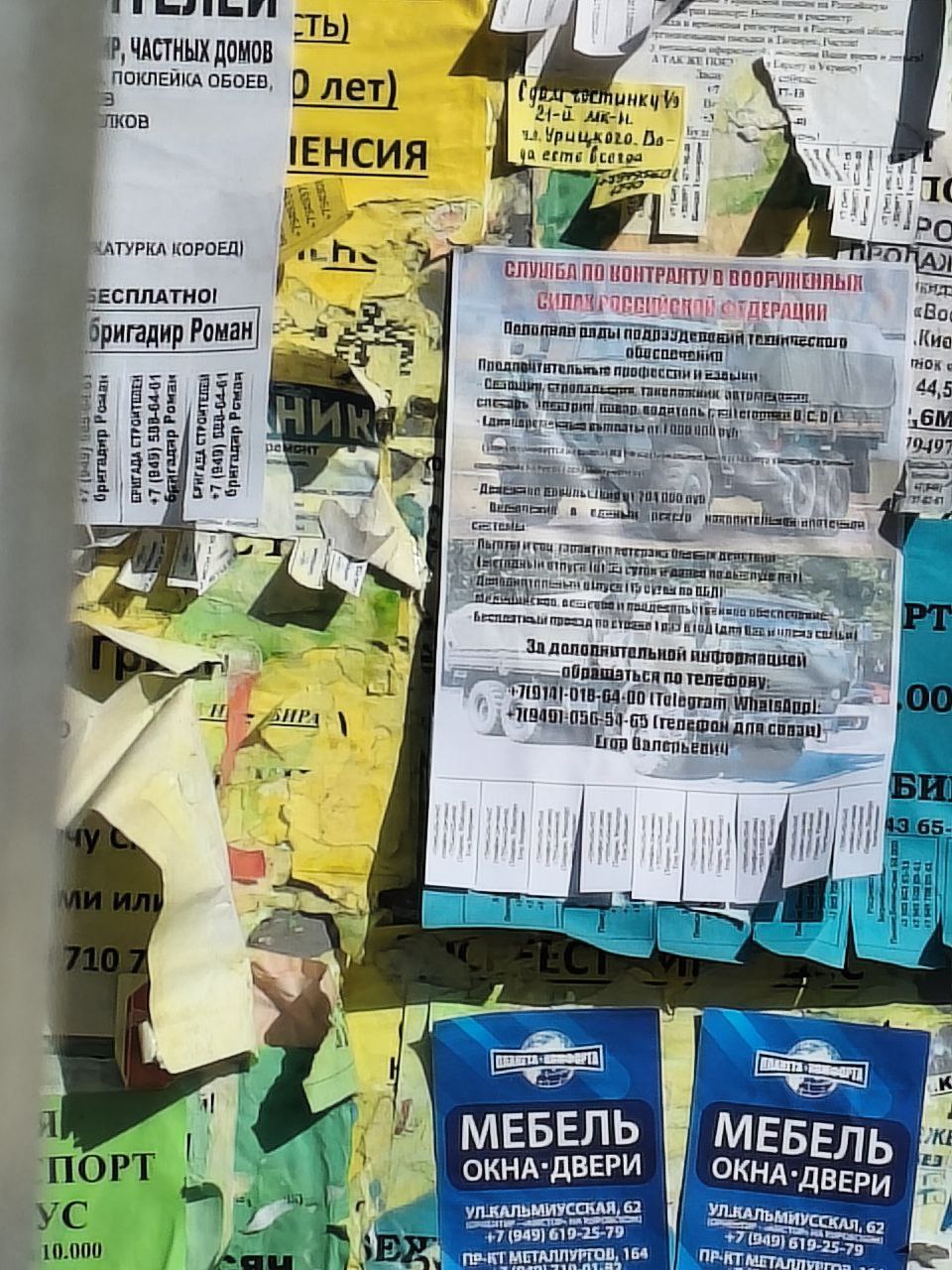
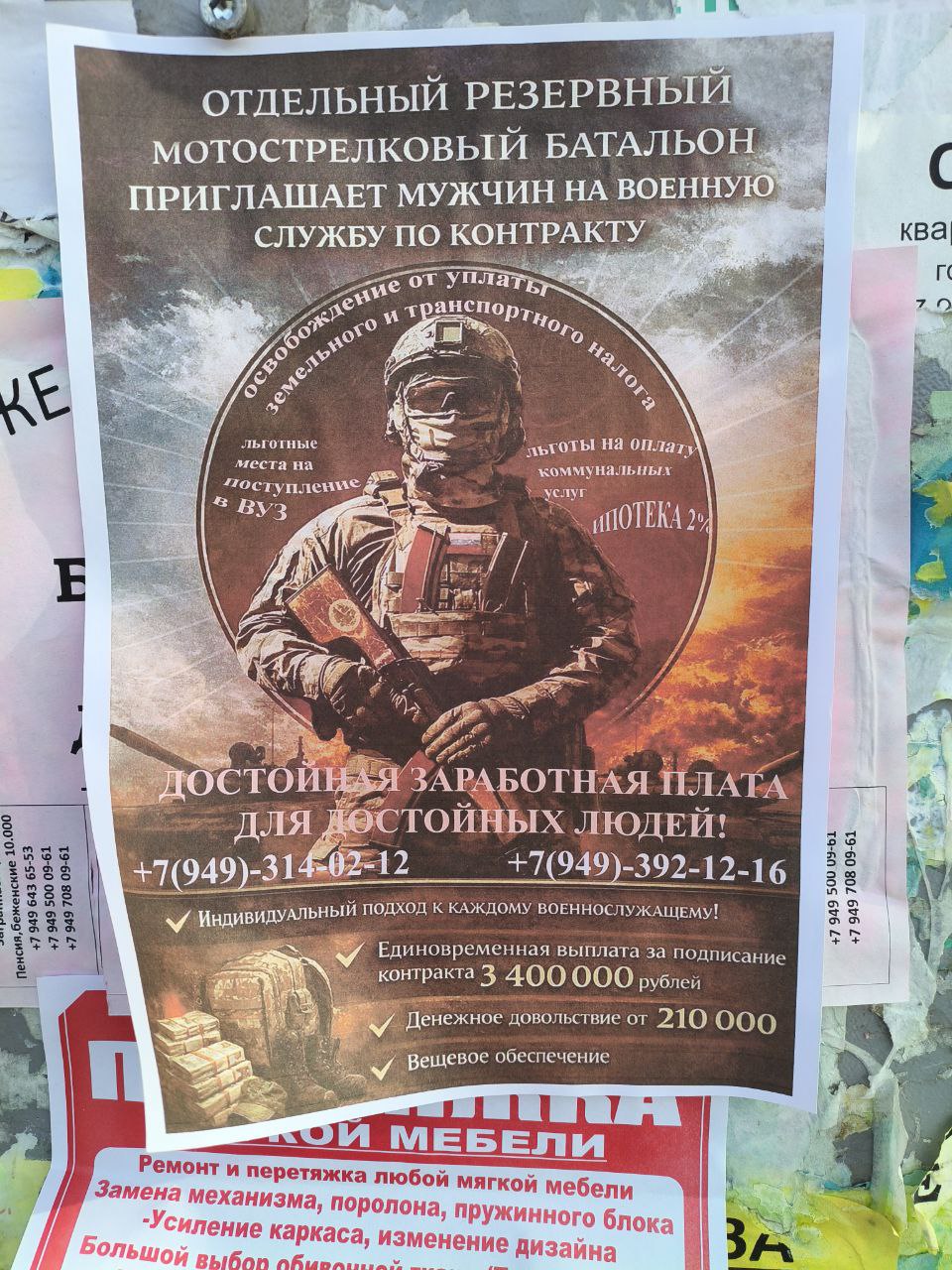
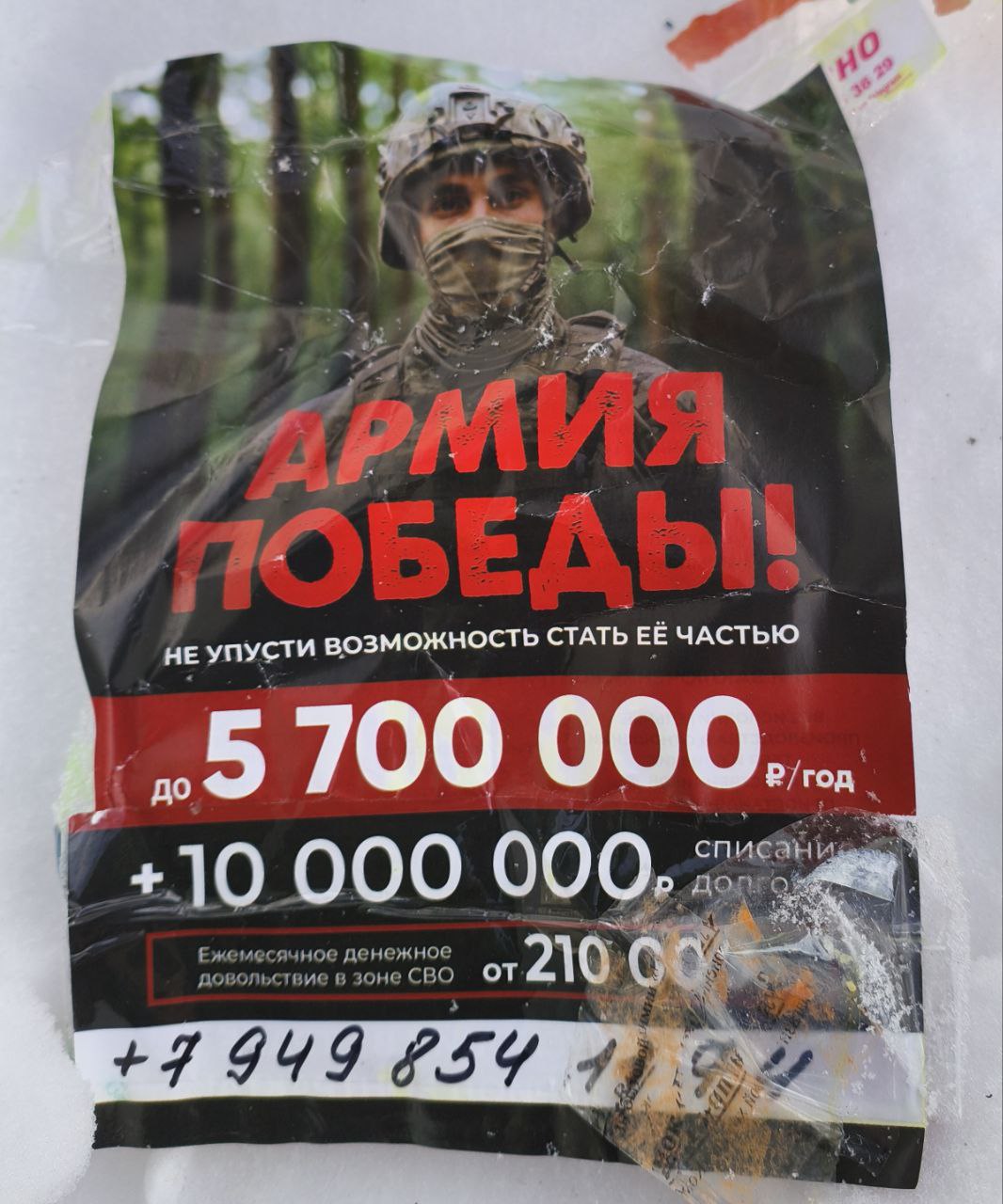
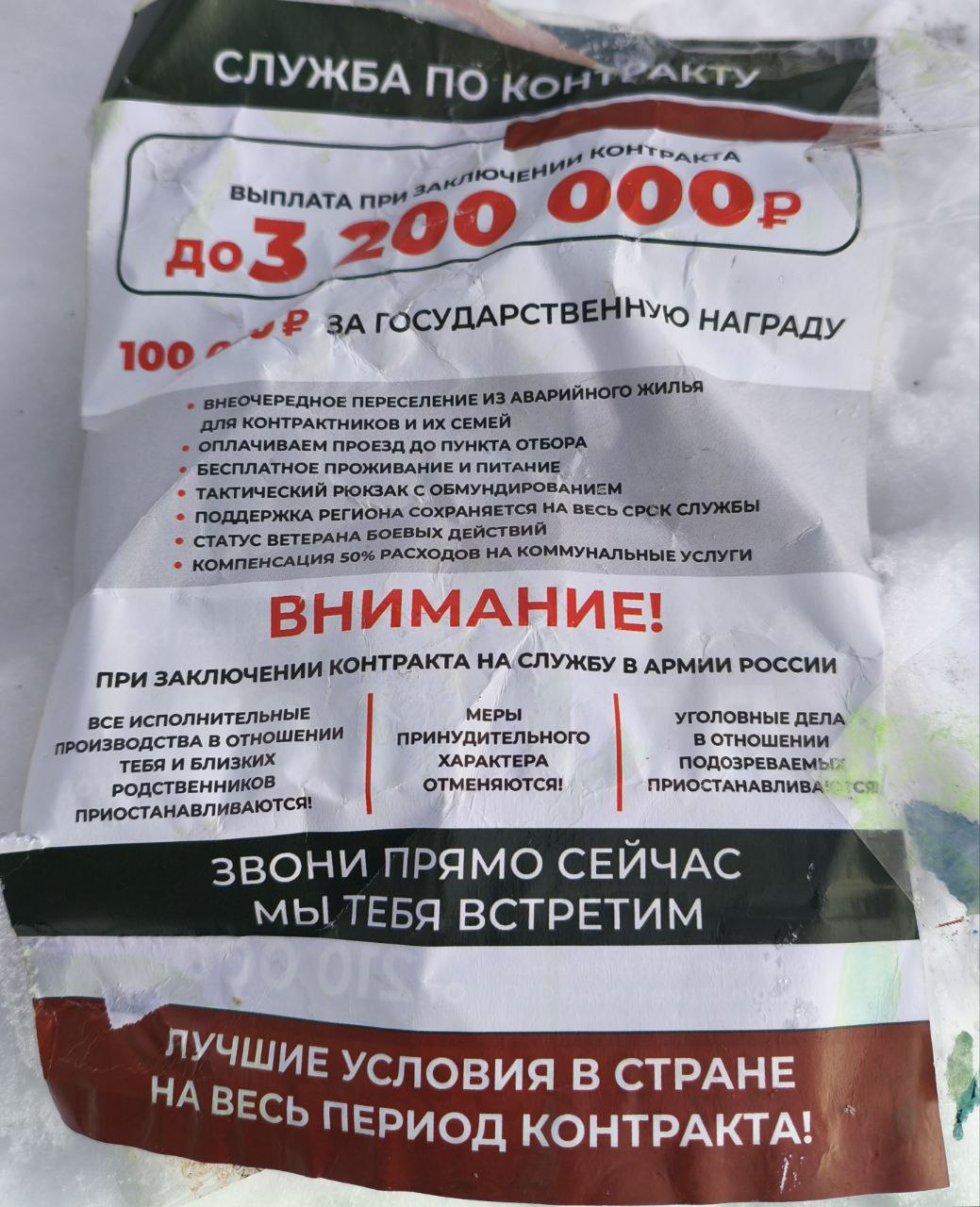
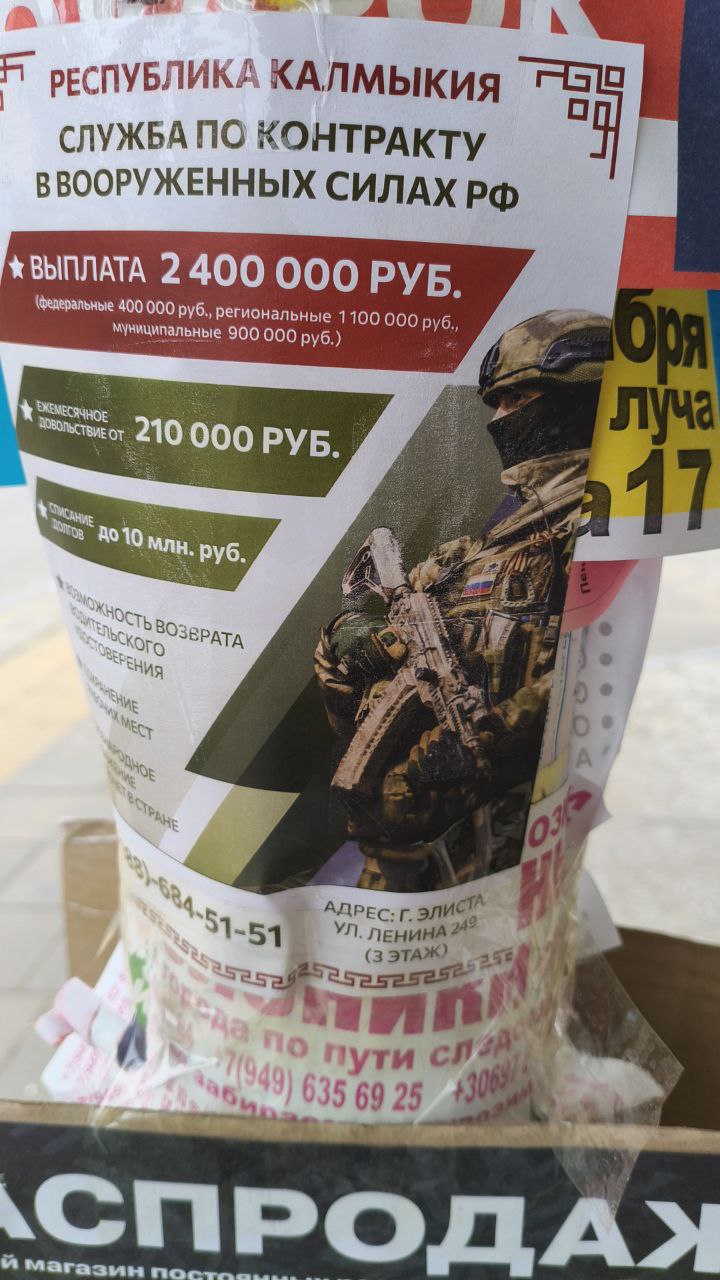
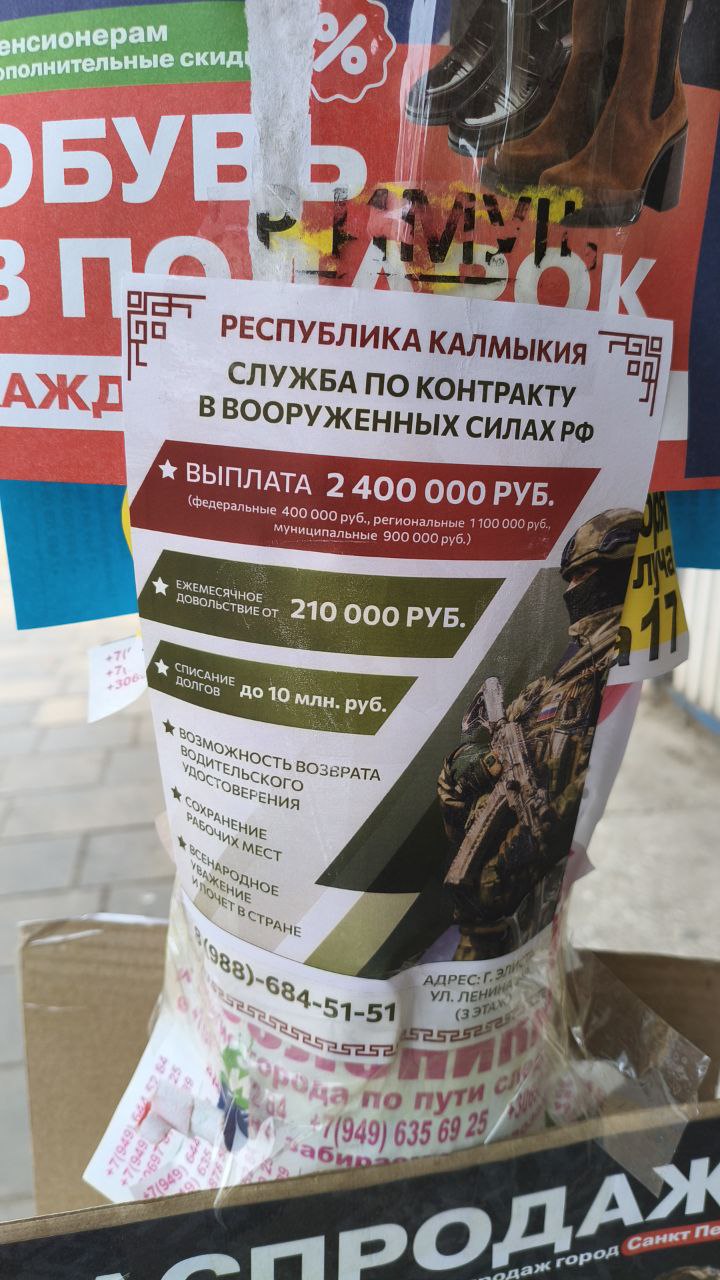
Military recruitment advertising, occupied Mariupol
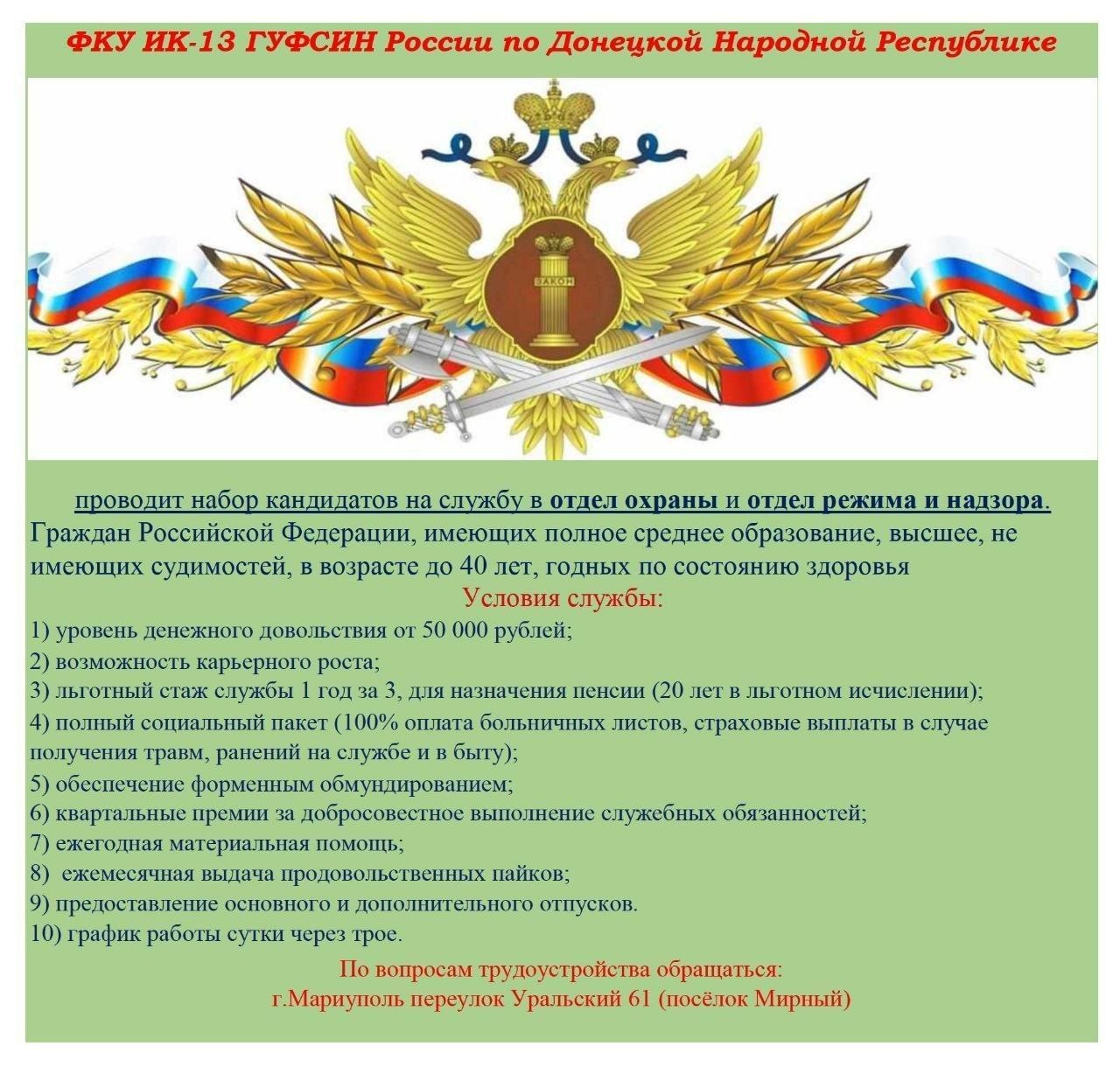
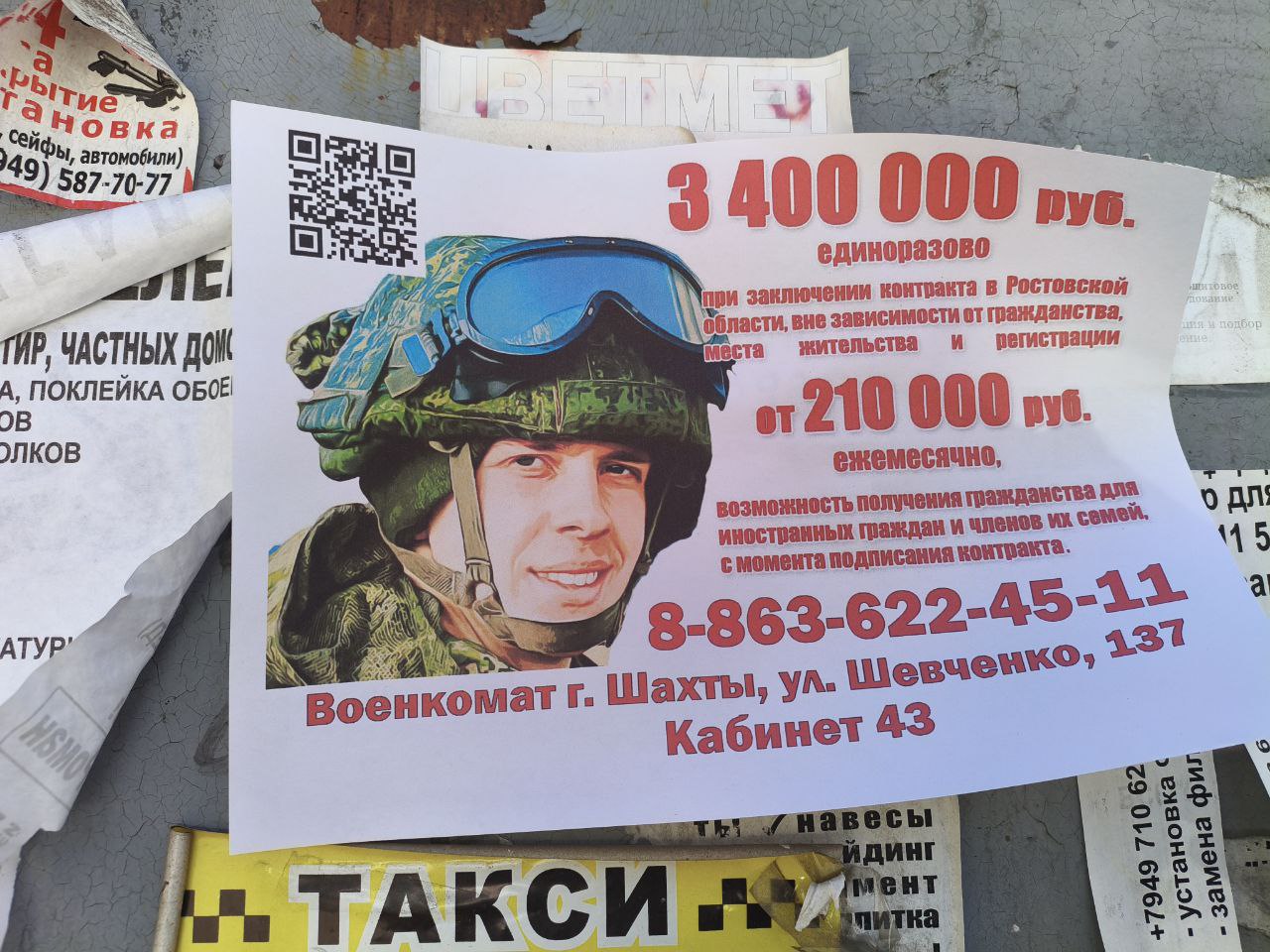
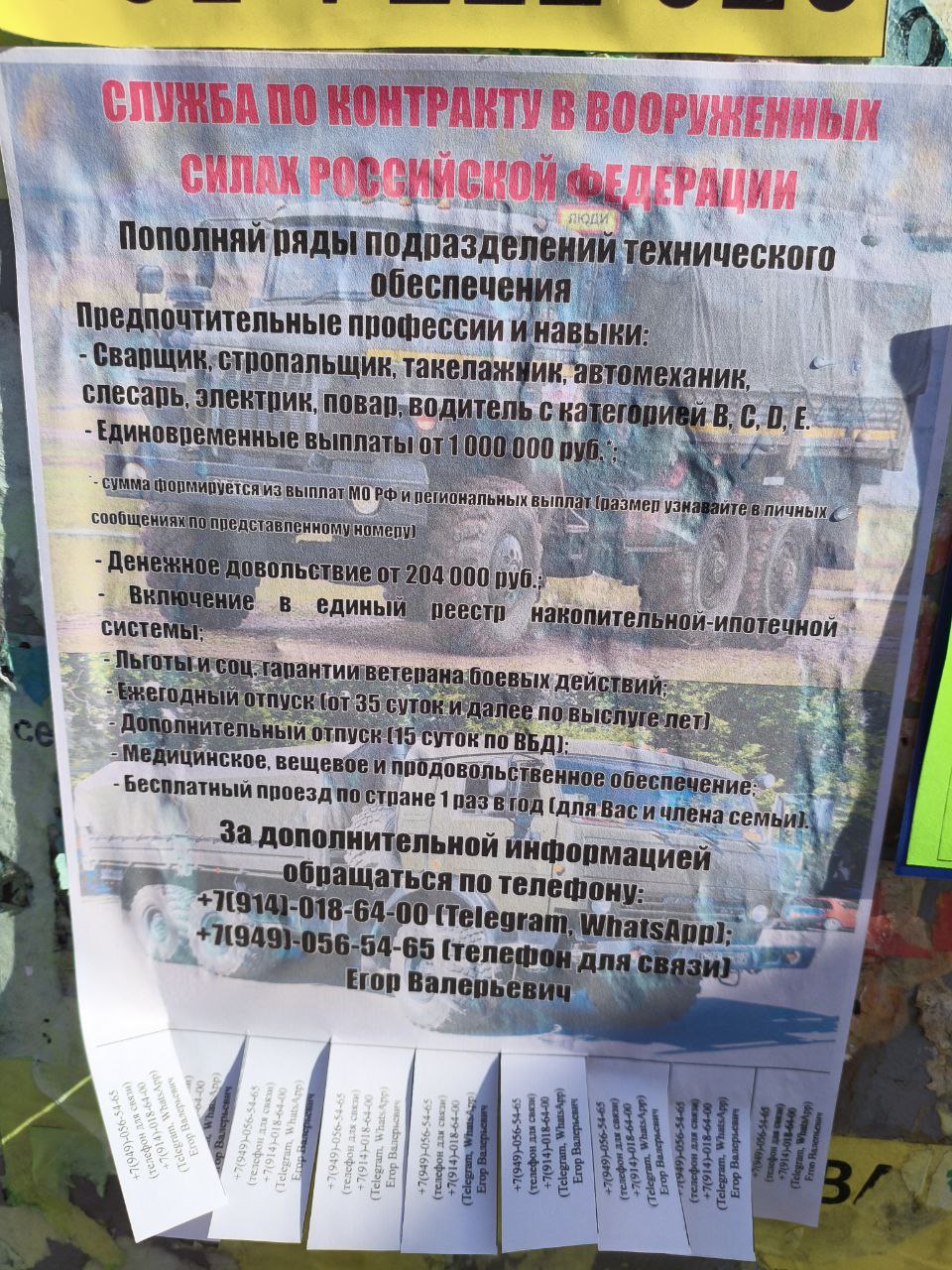
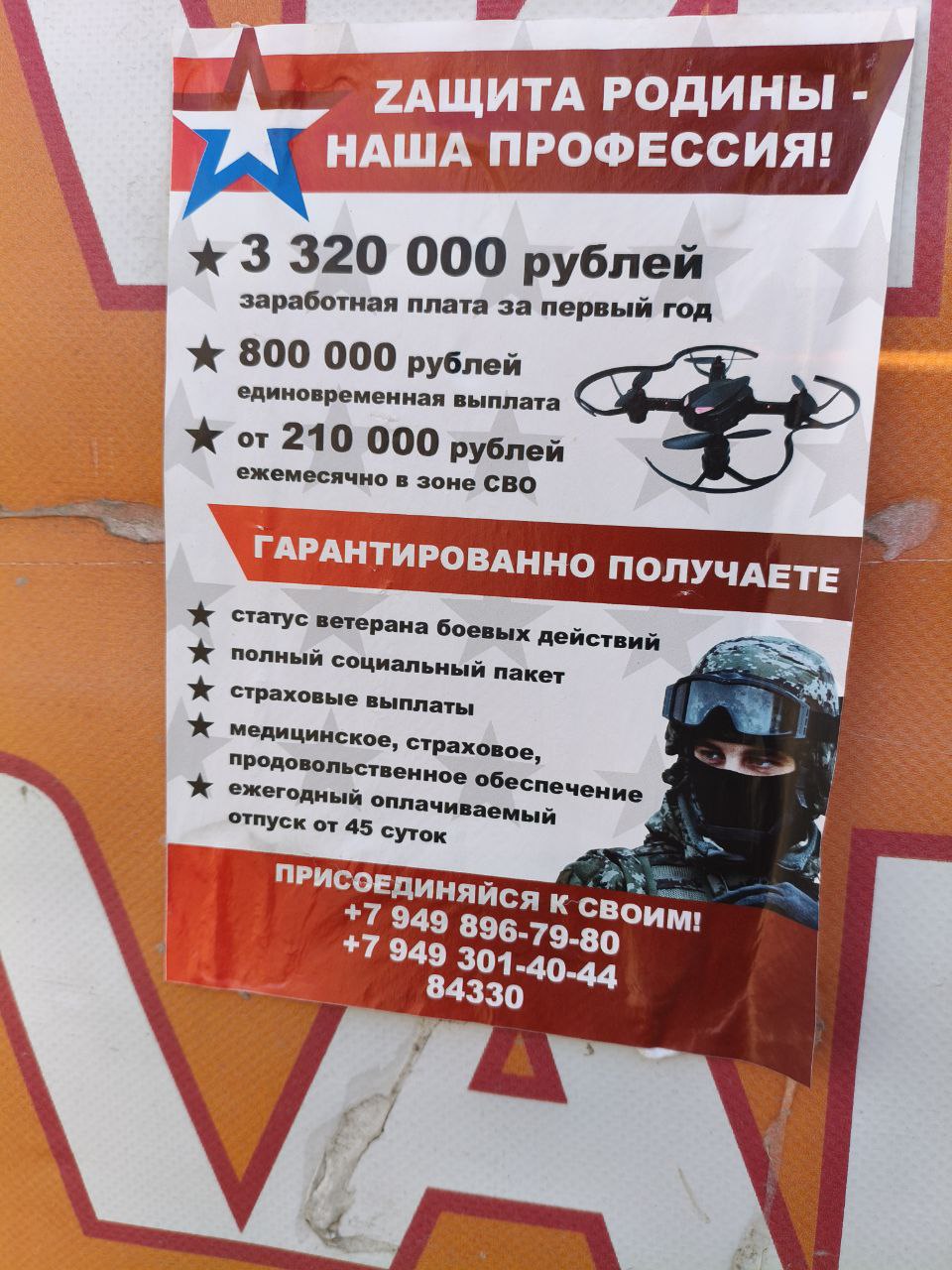
Field photographs of Russian military and penitentiary-service recruitment and contract-service advertising posted publicly in occupied Mariupol, March 2026. Federal, regional (including the Republic of Kalmykia), and prison-service (FSIN) campaigns compete to recruit from the occupied population.
1 / 10
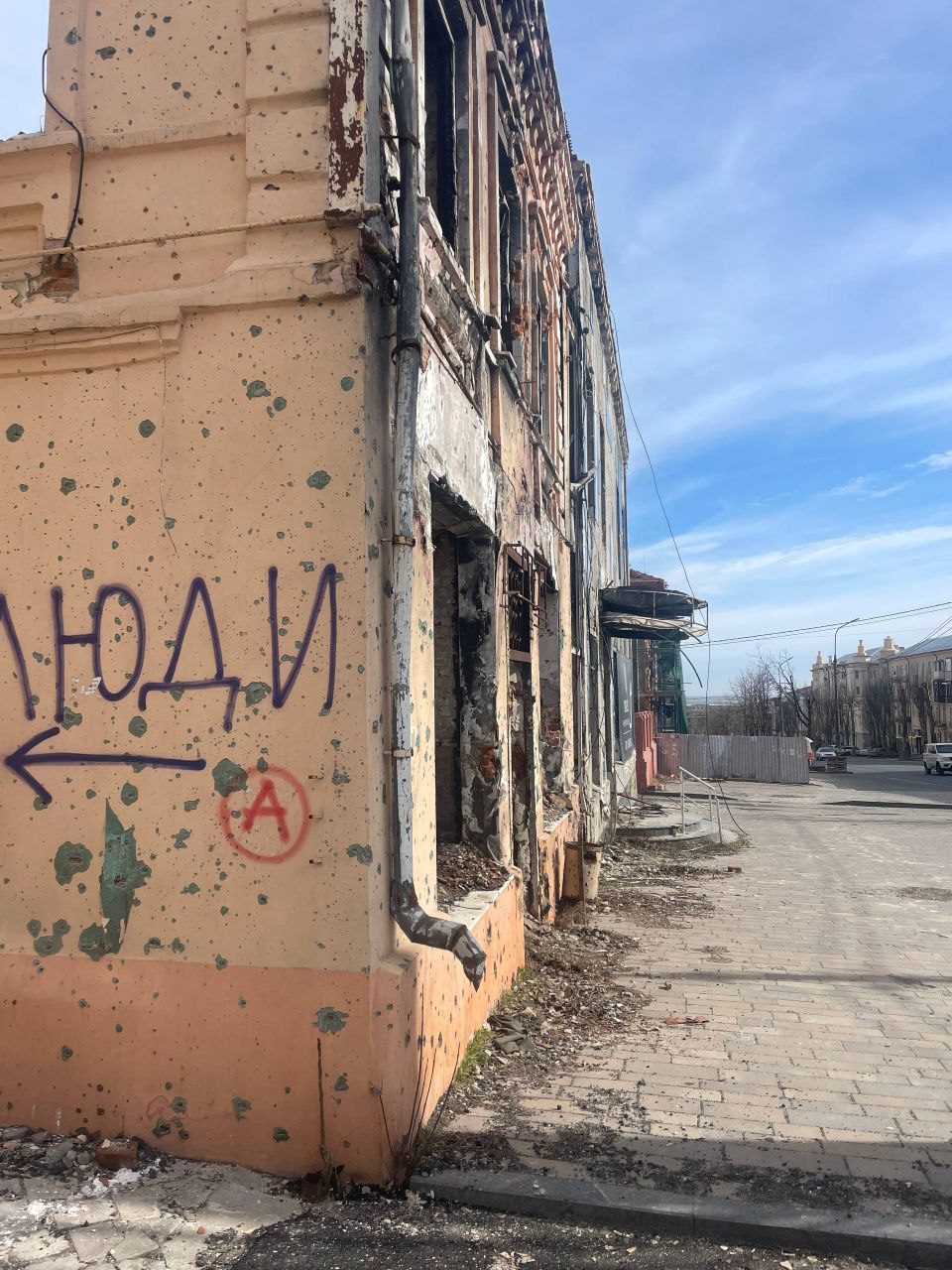
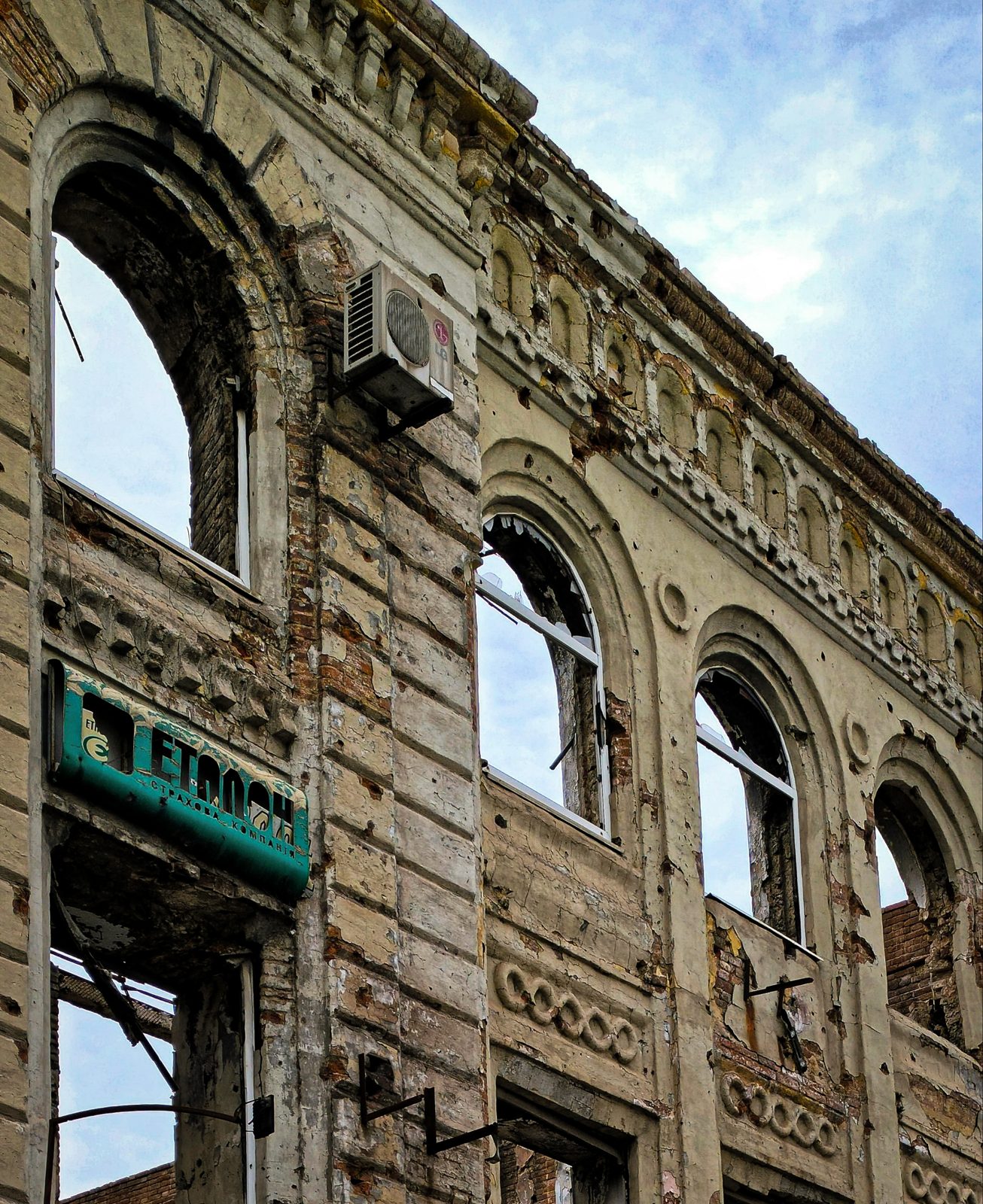
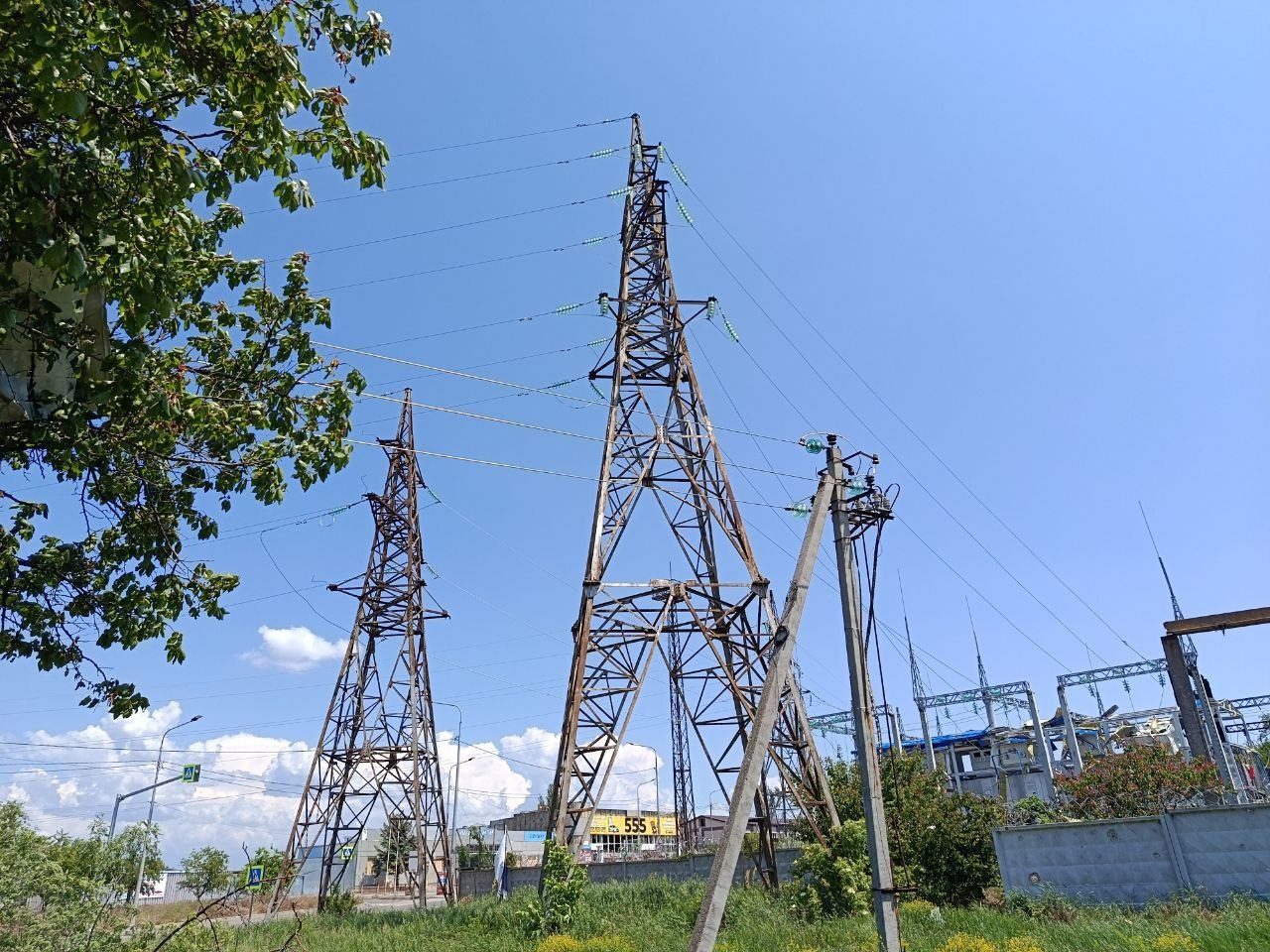
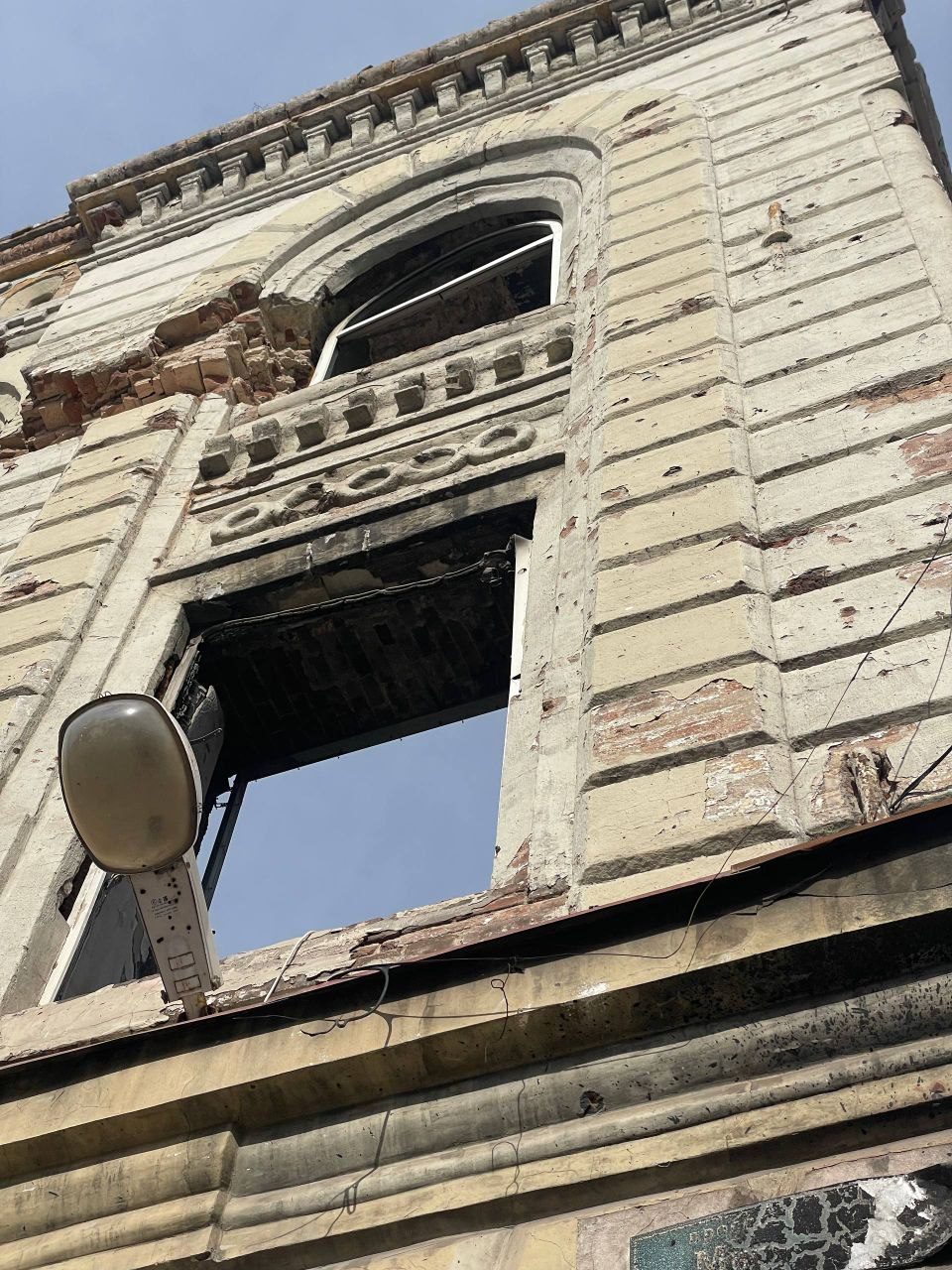
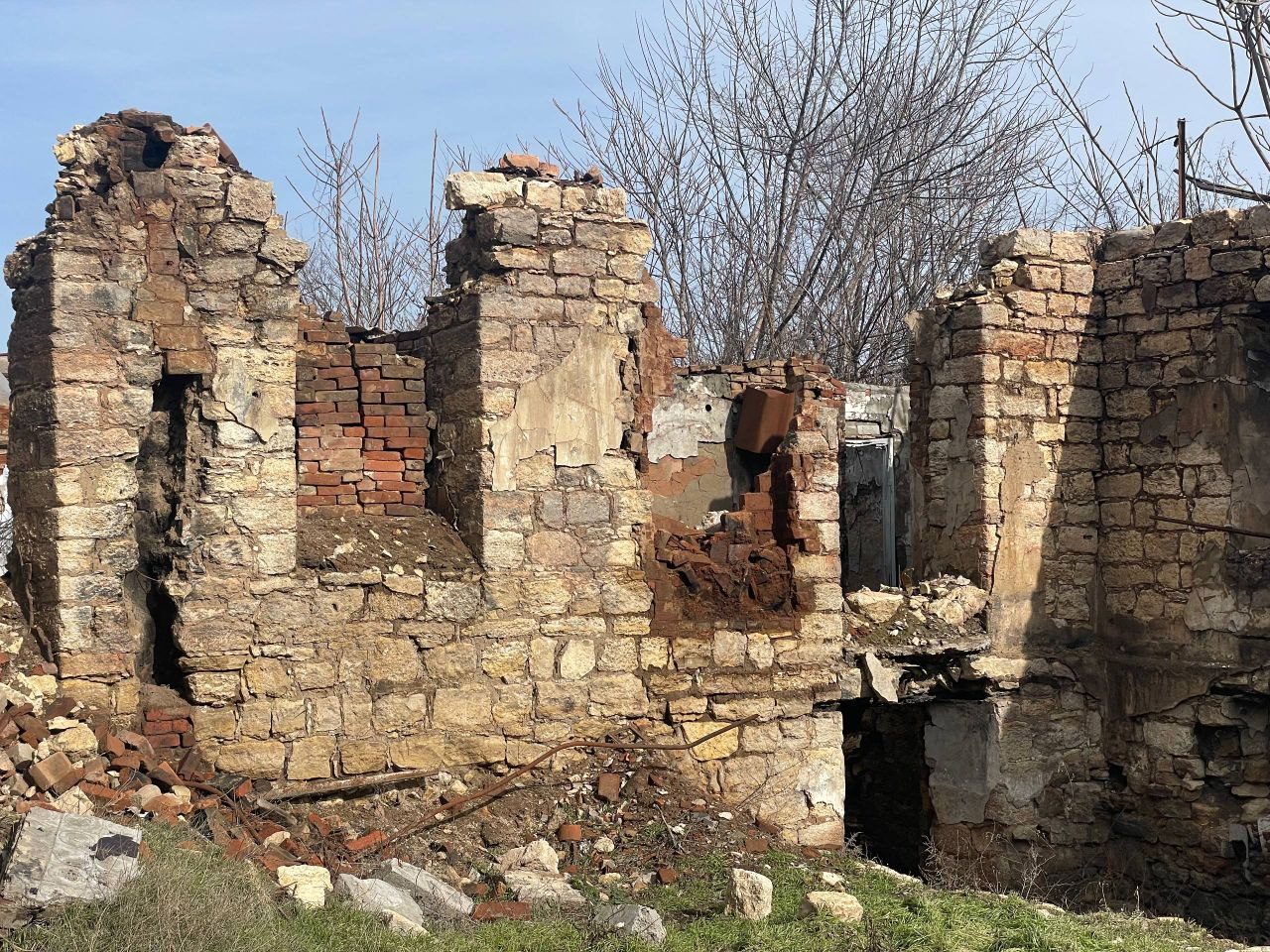
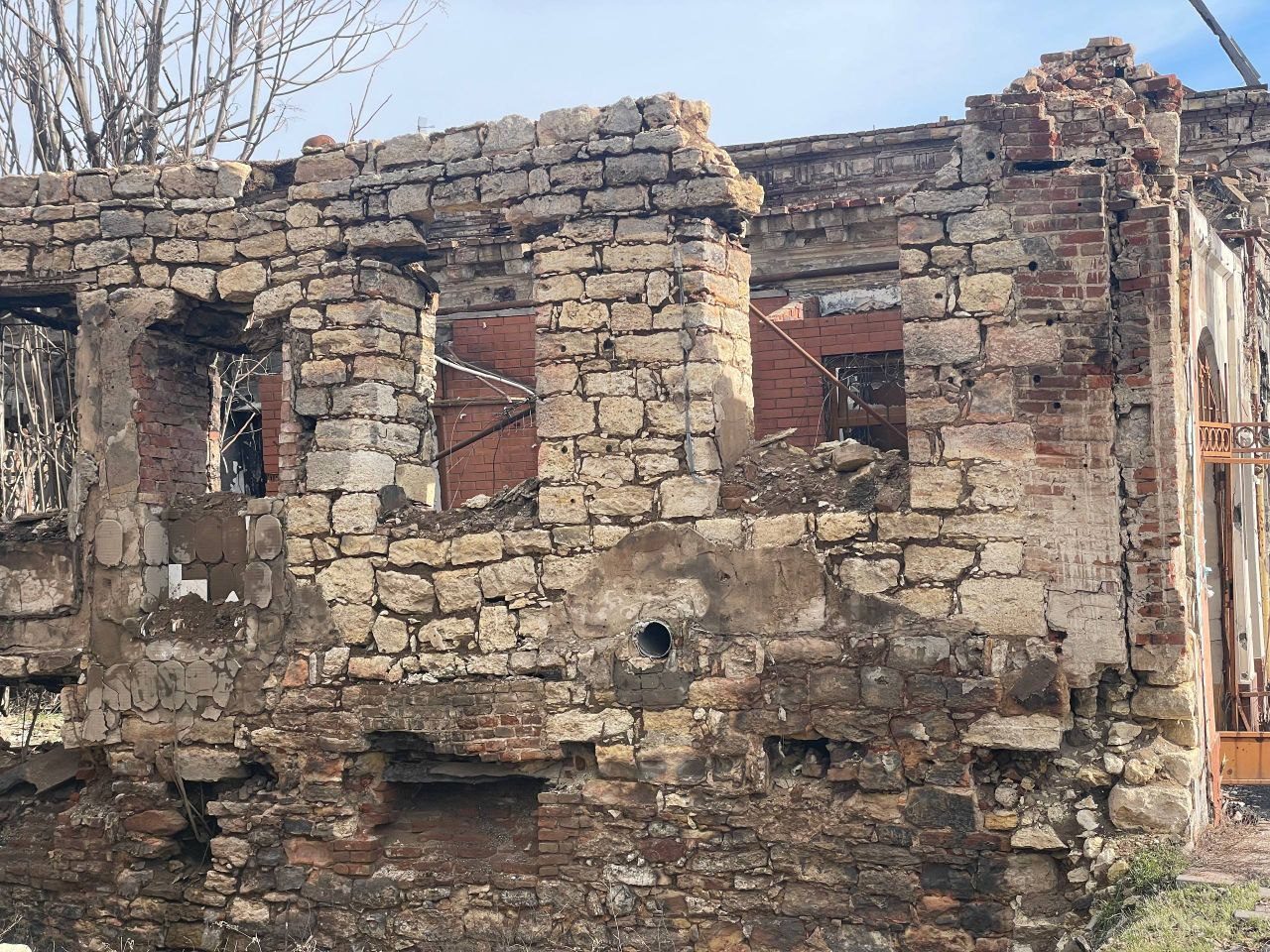
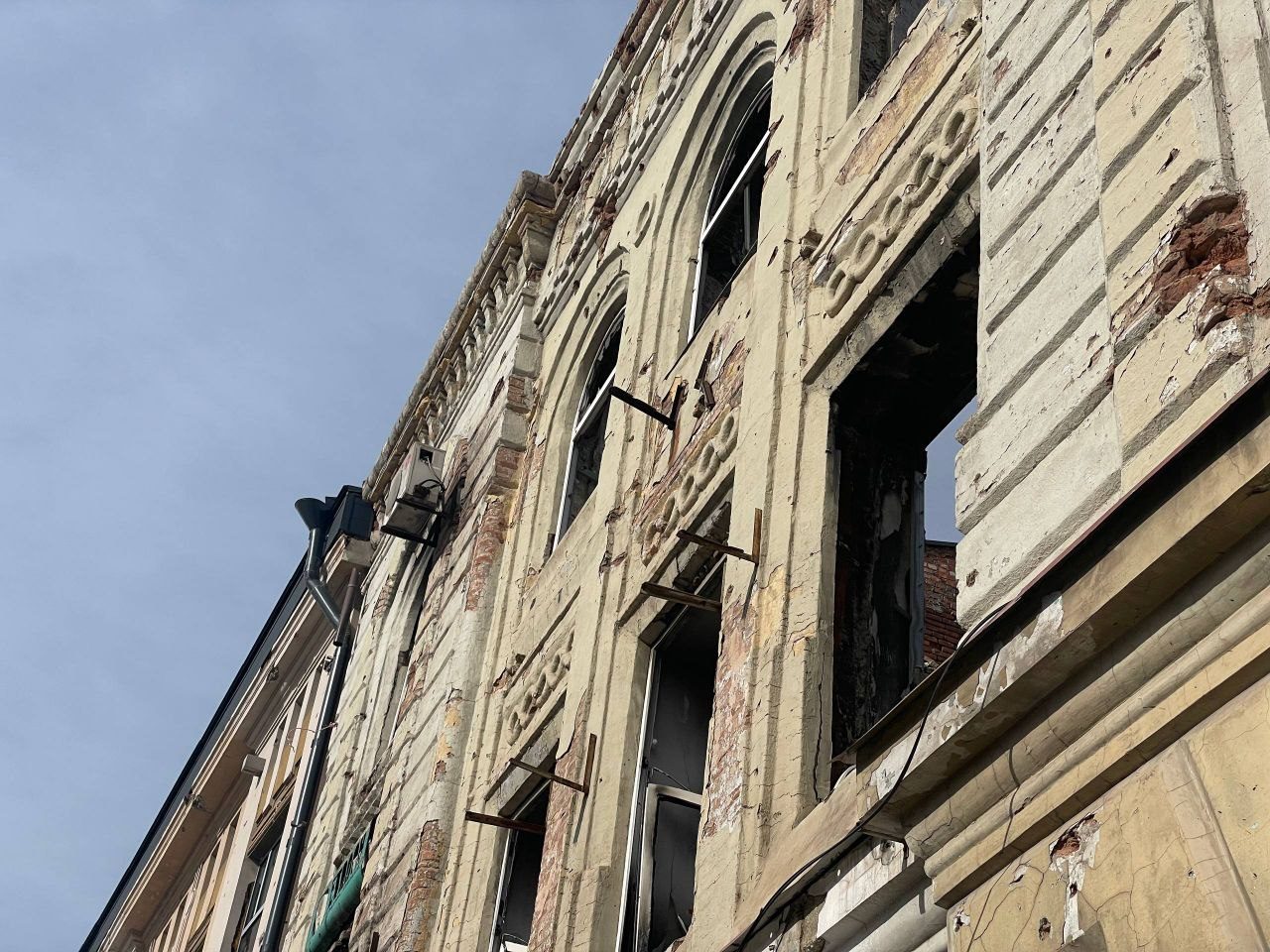
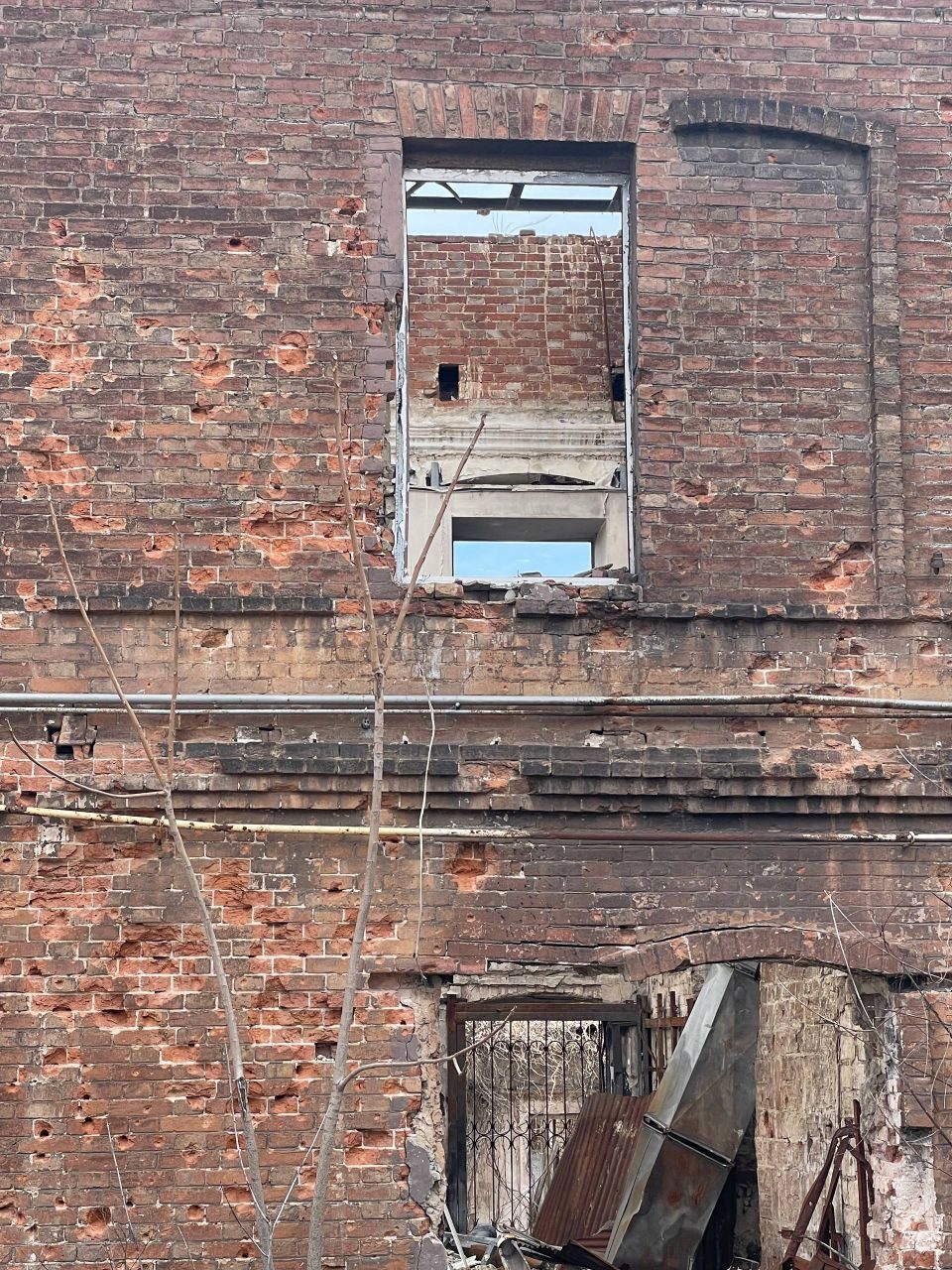
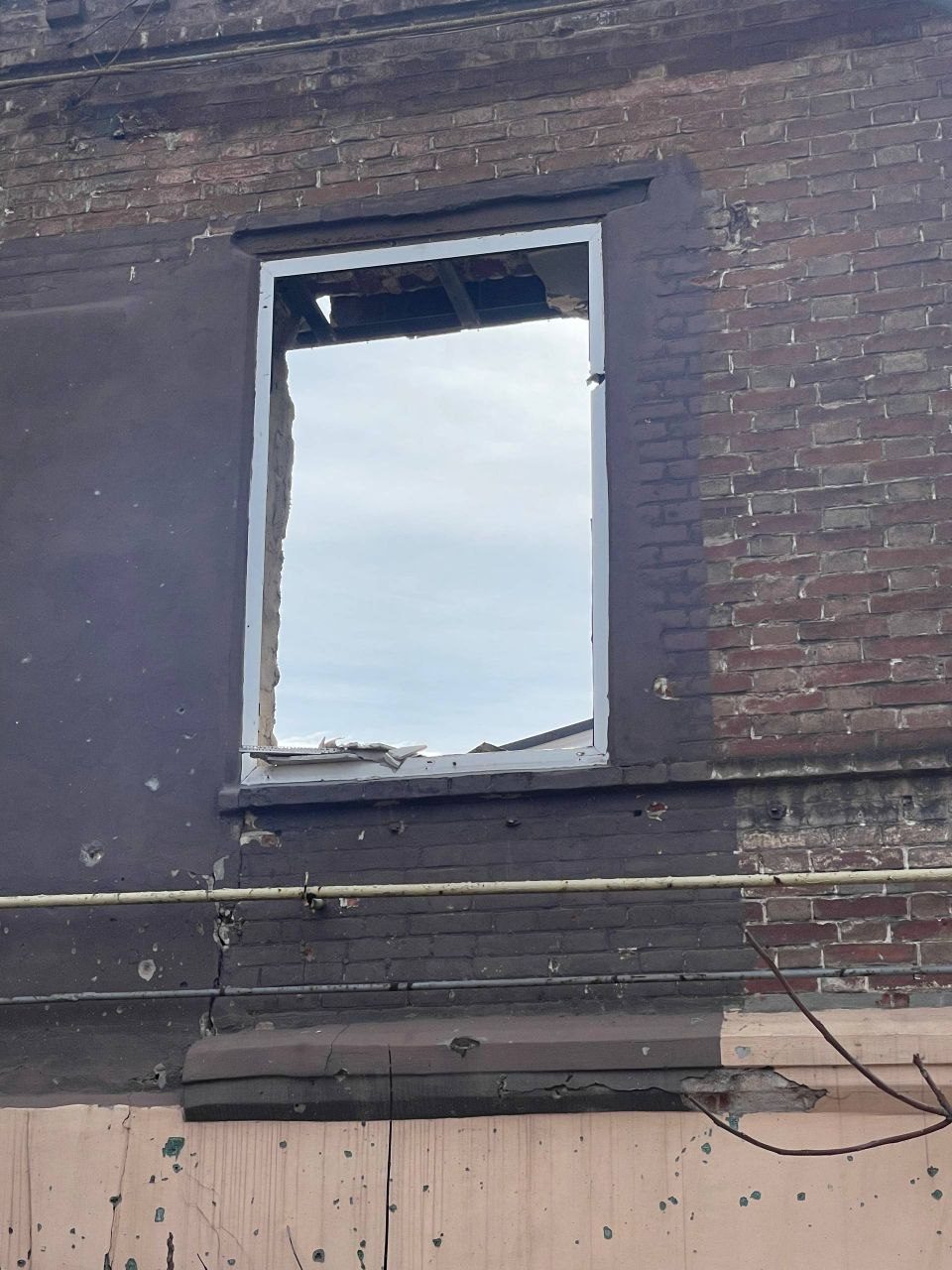
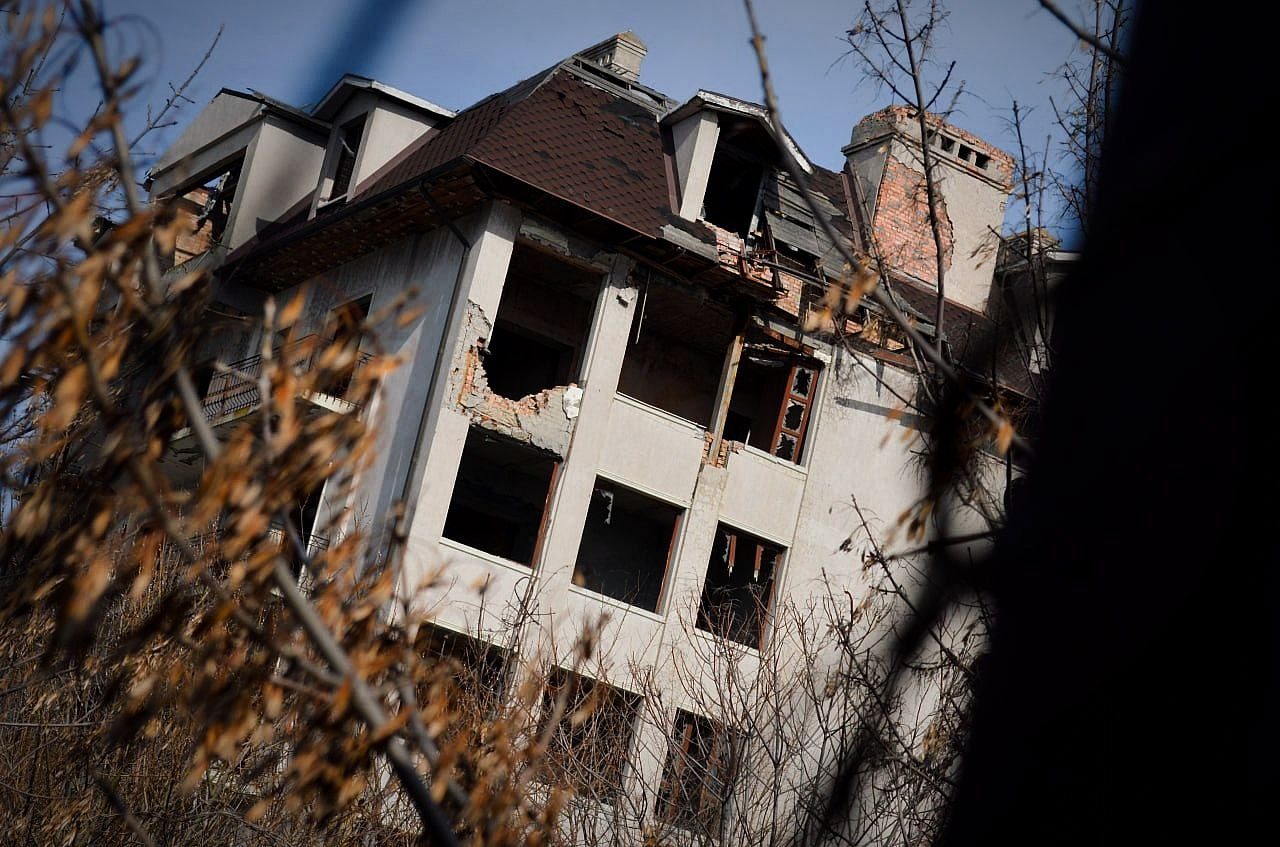
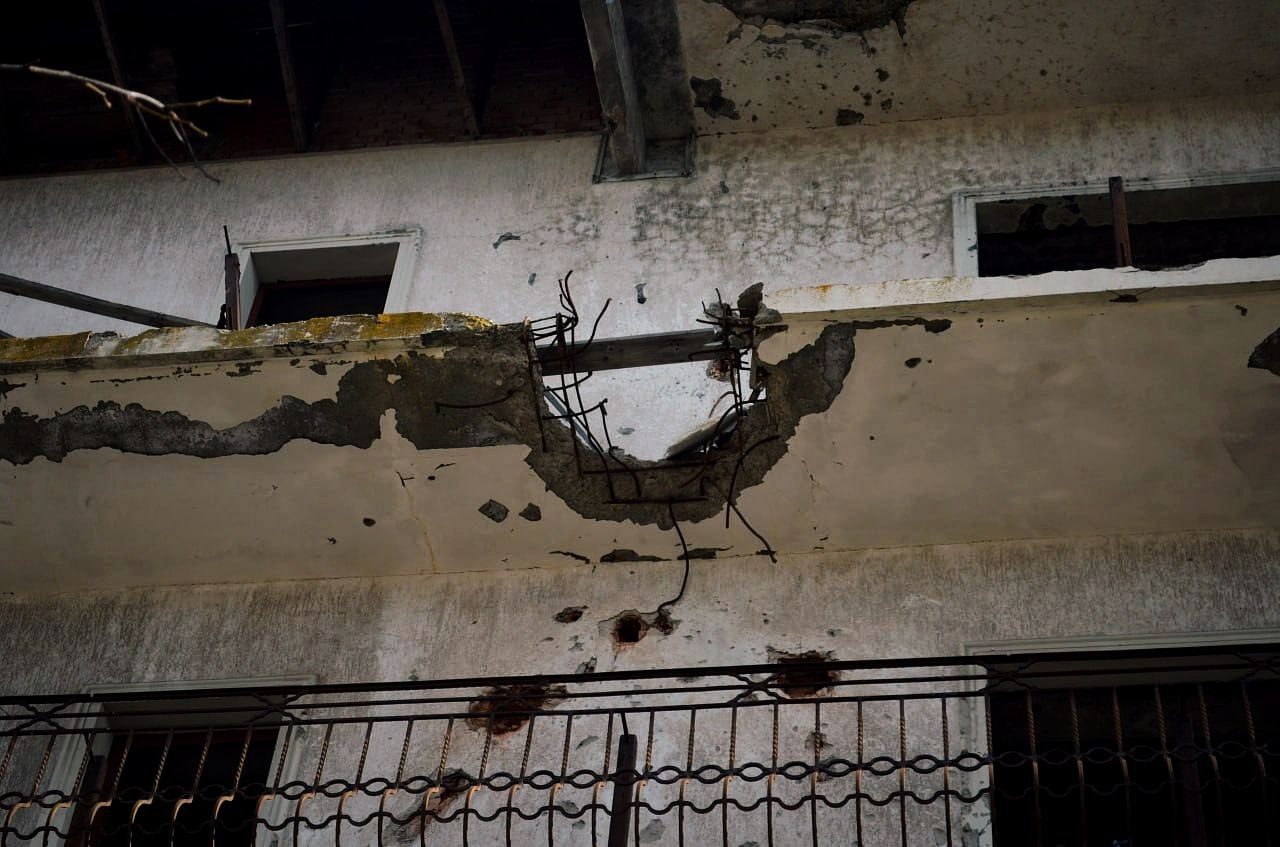
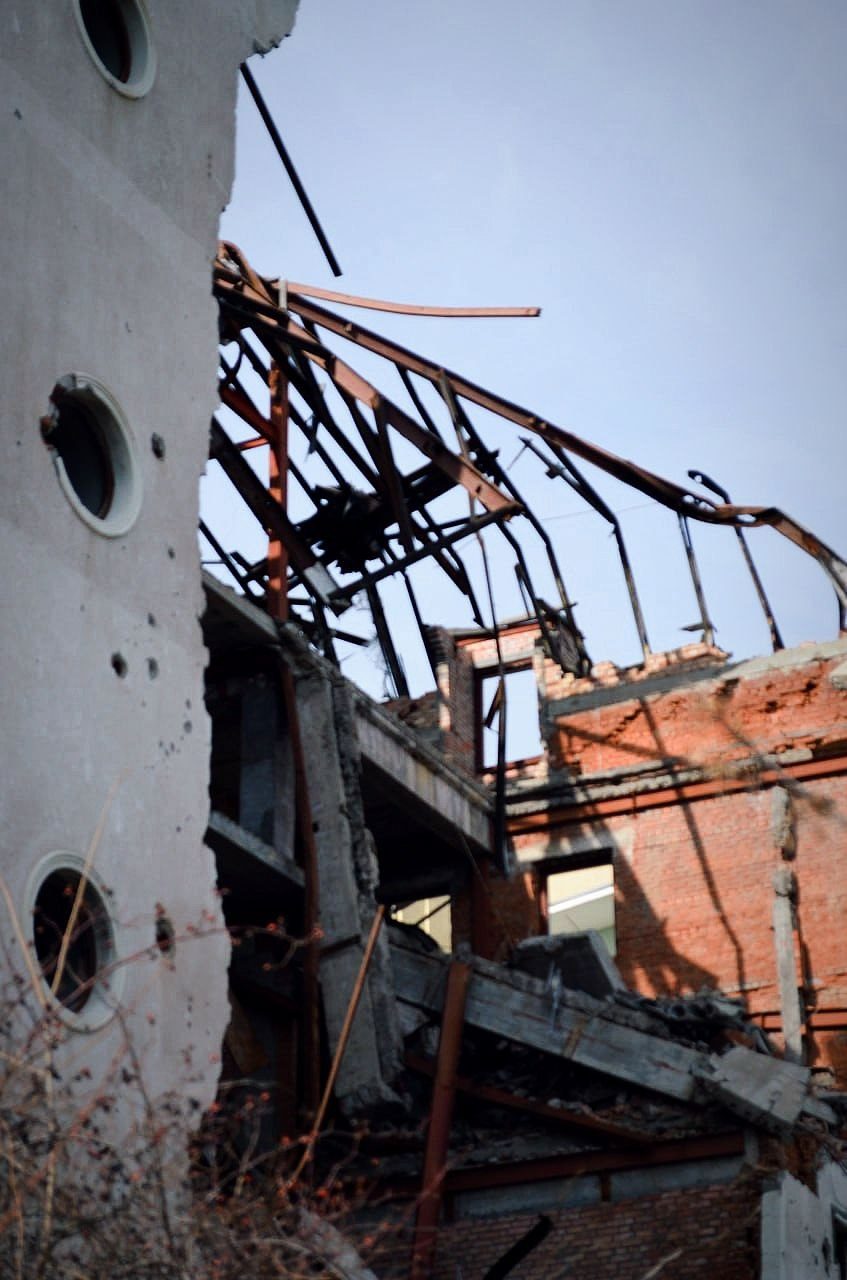
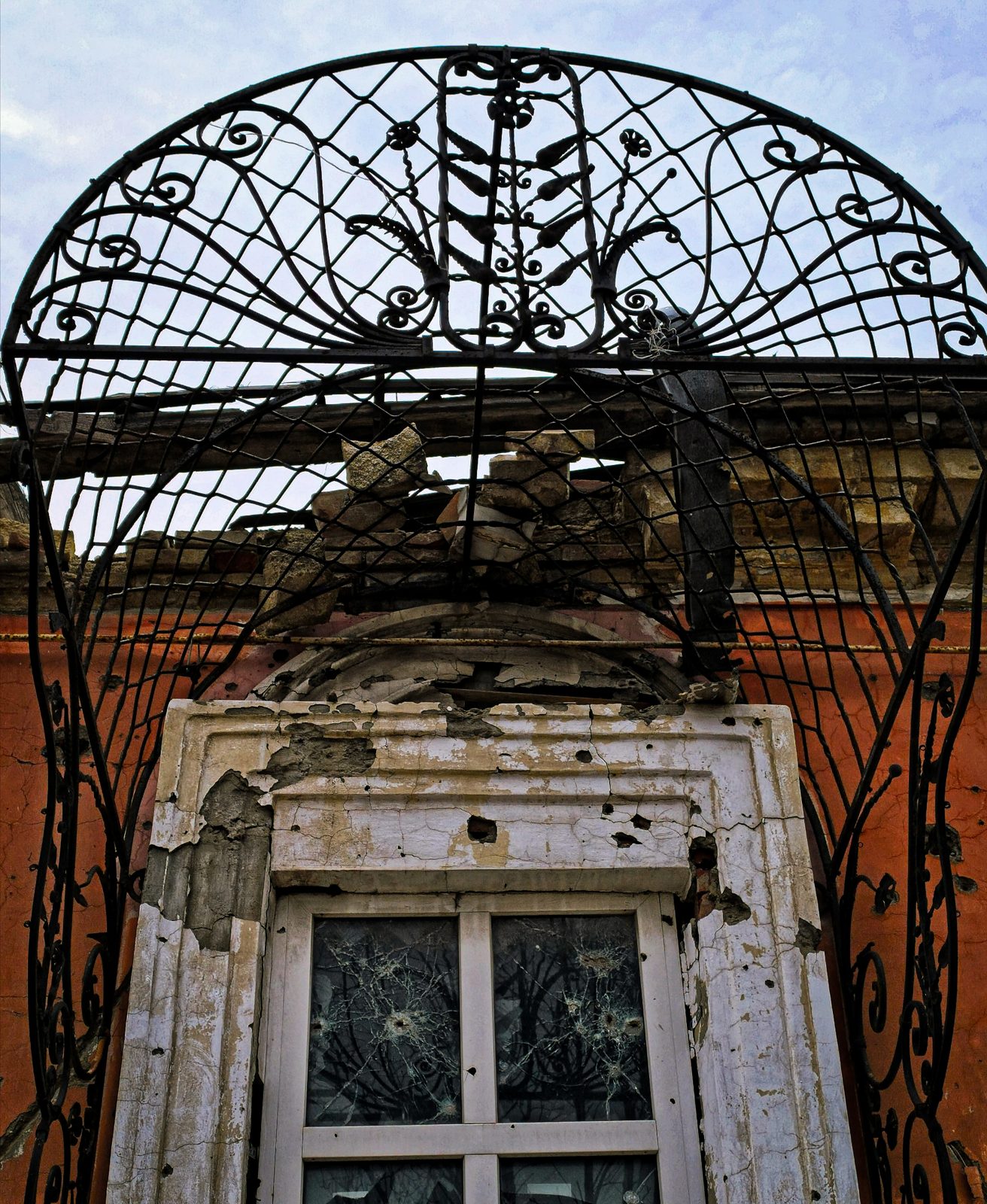
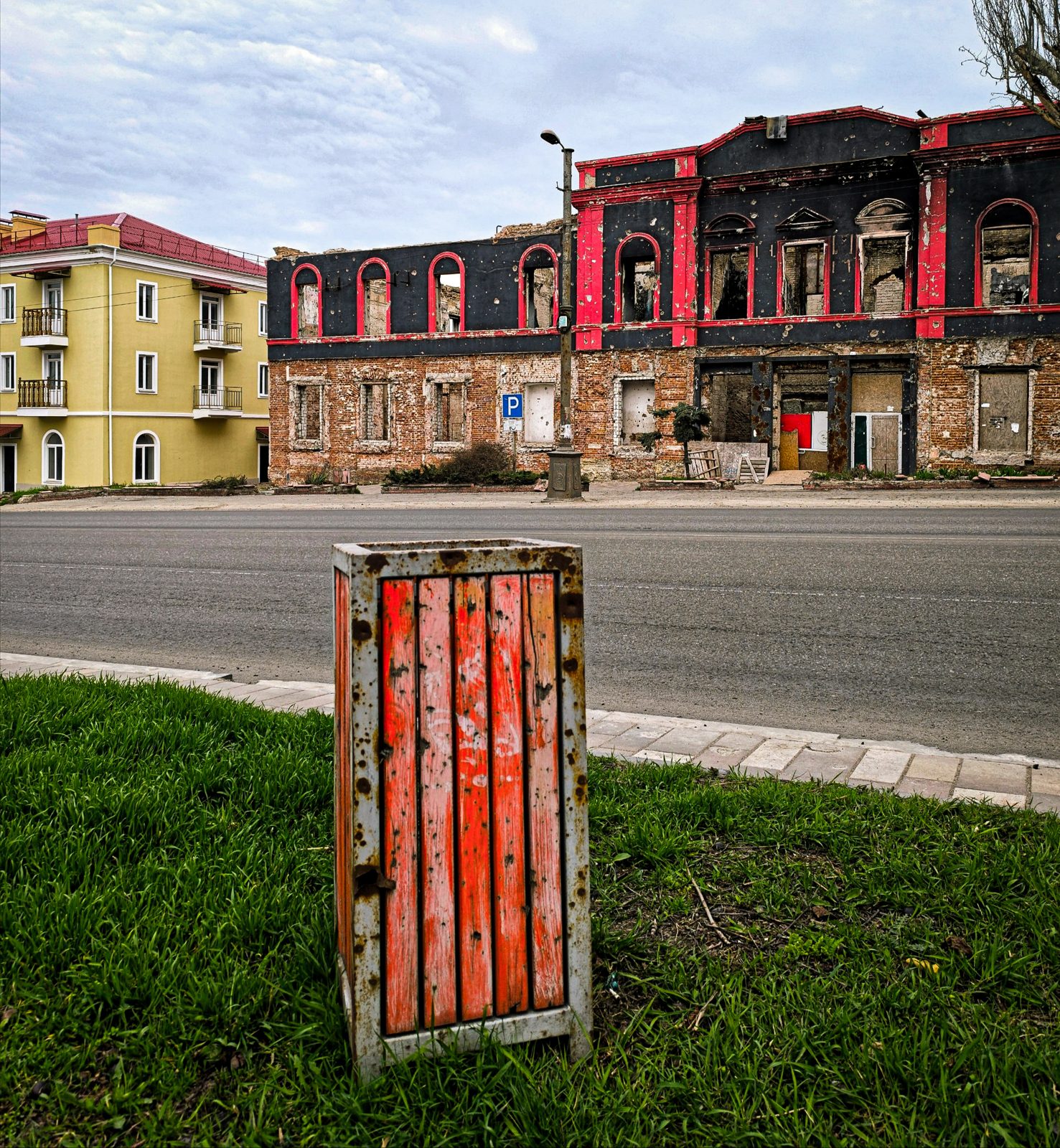
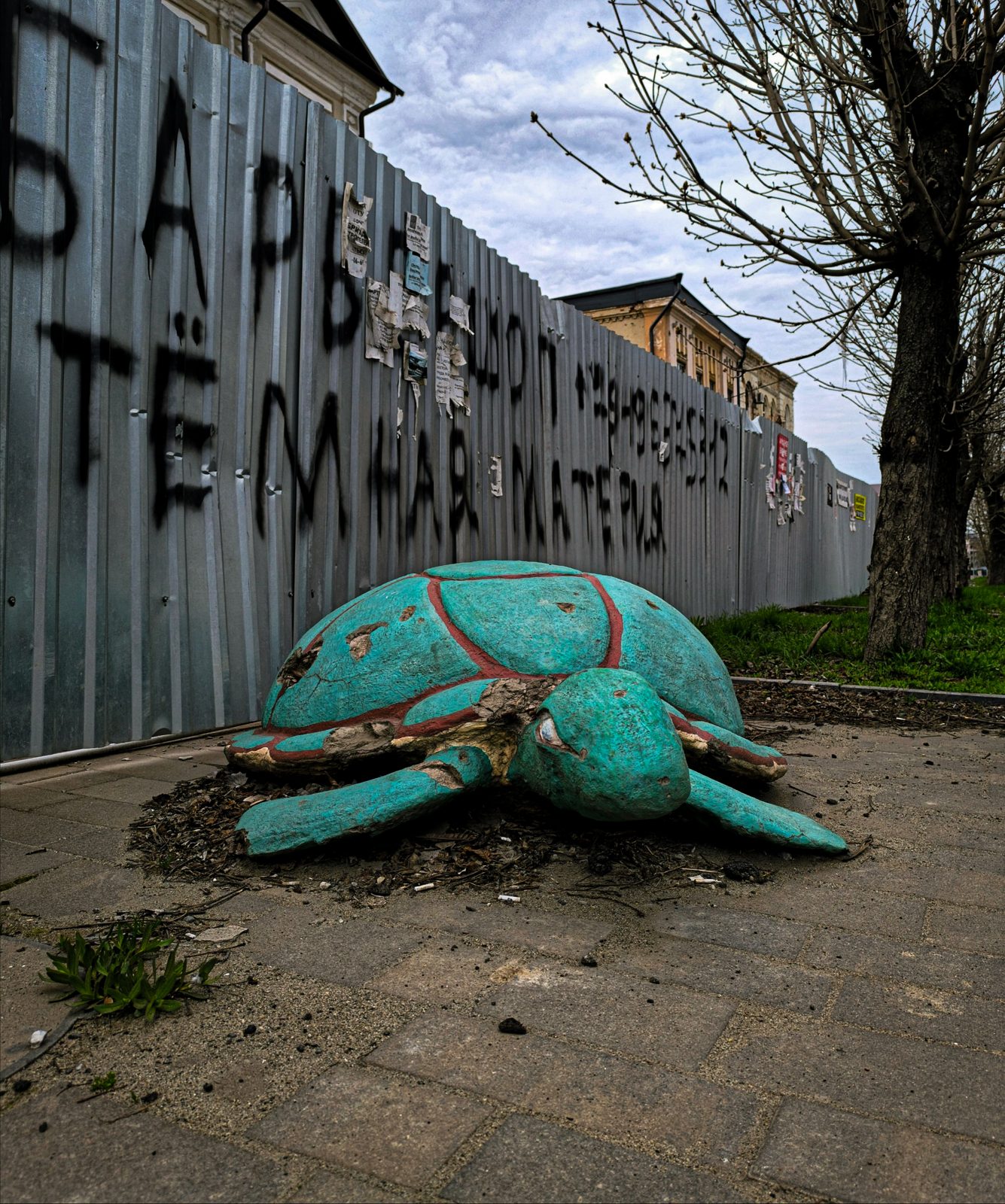
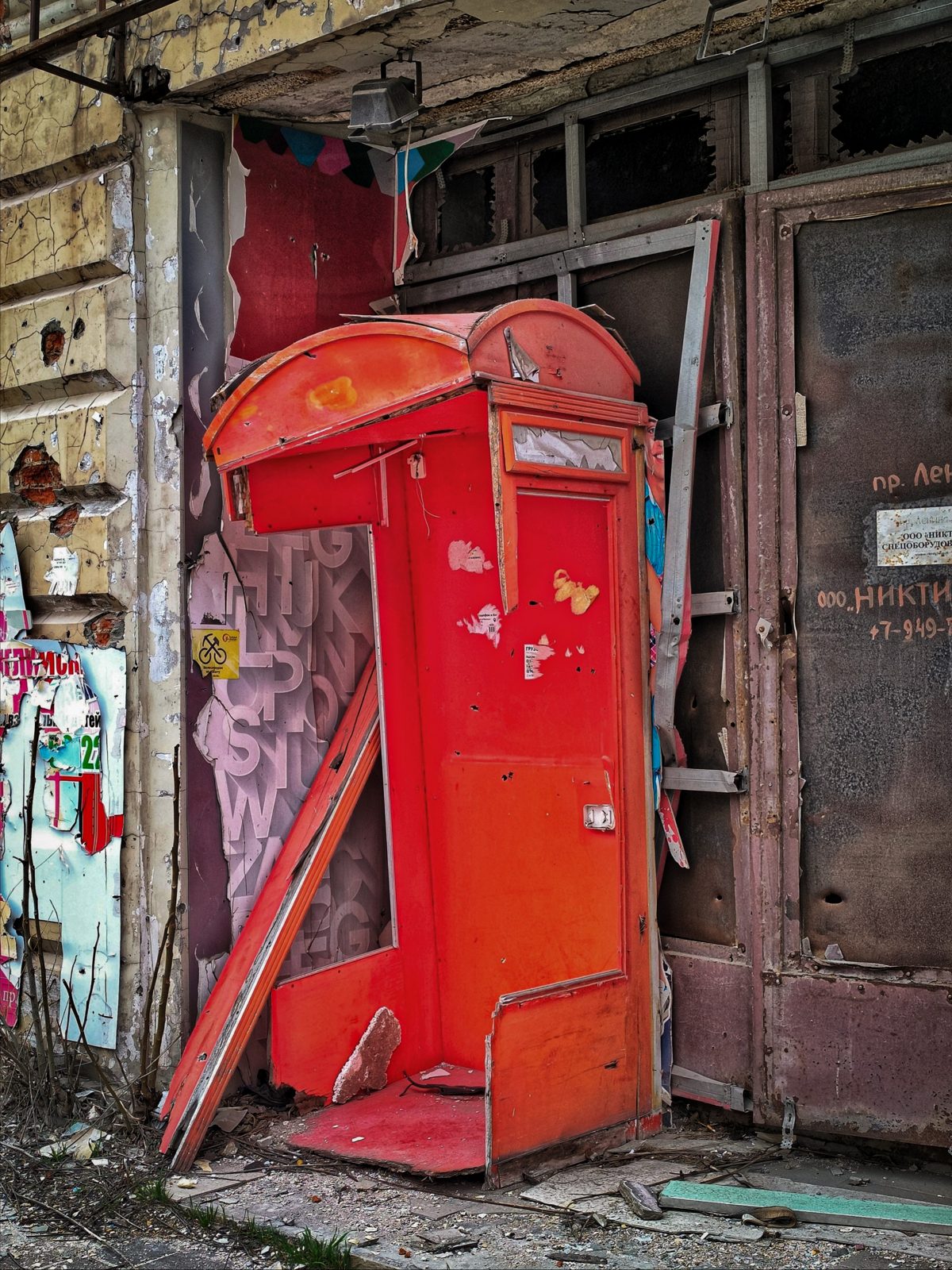
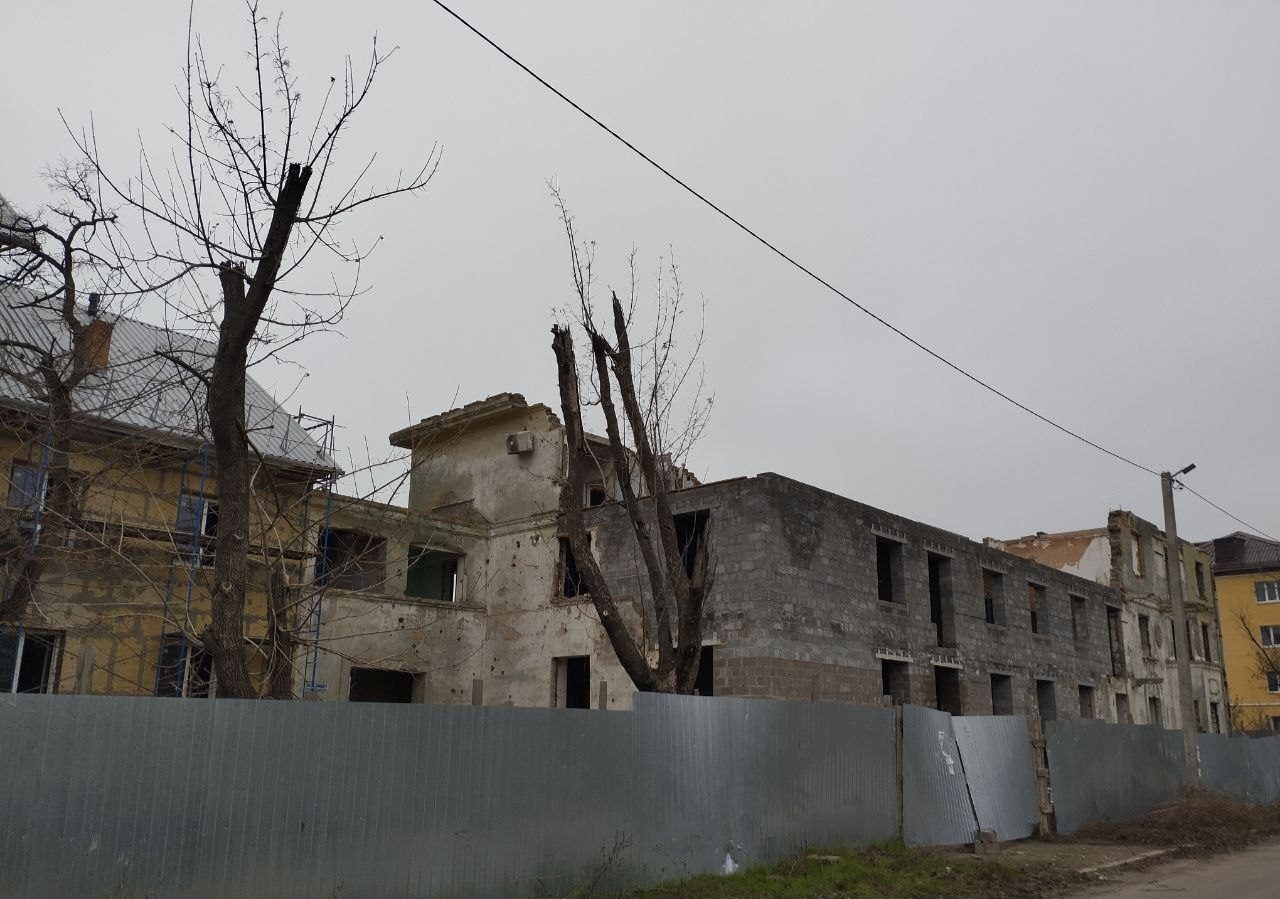
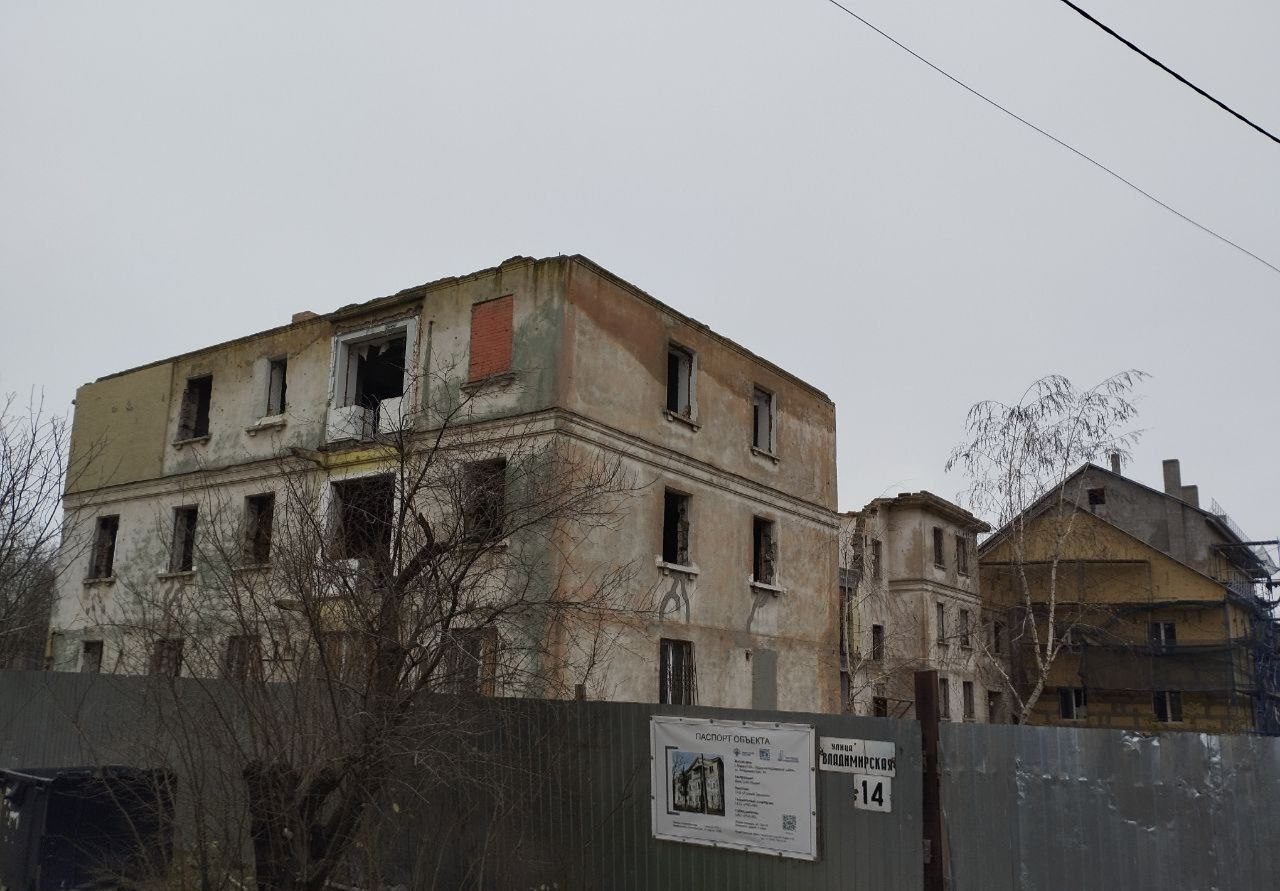
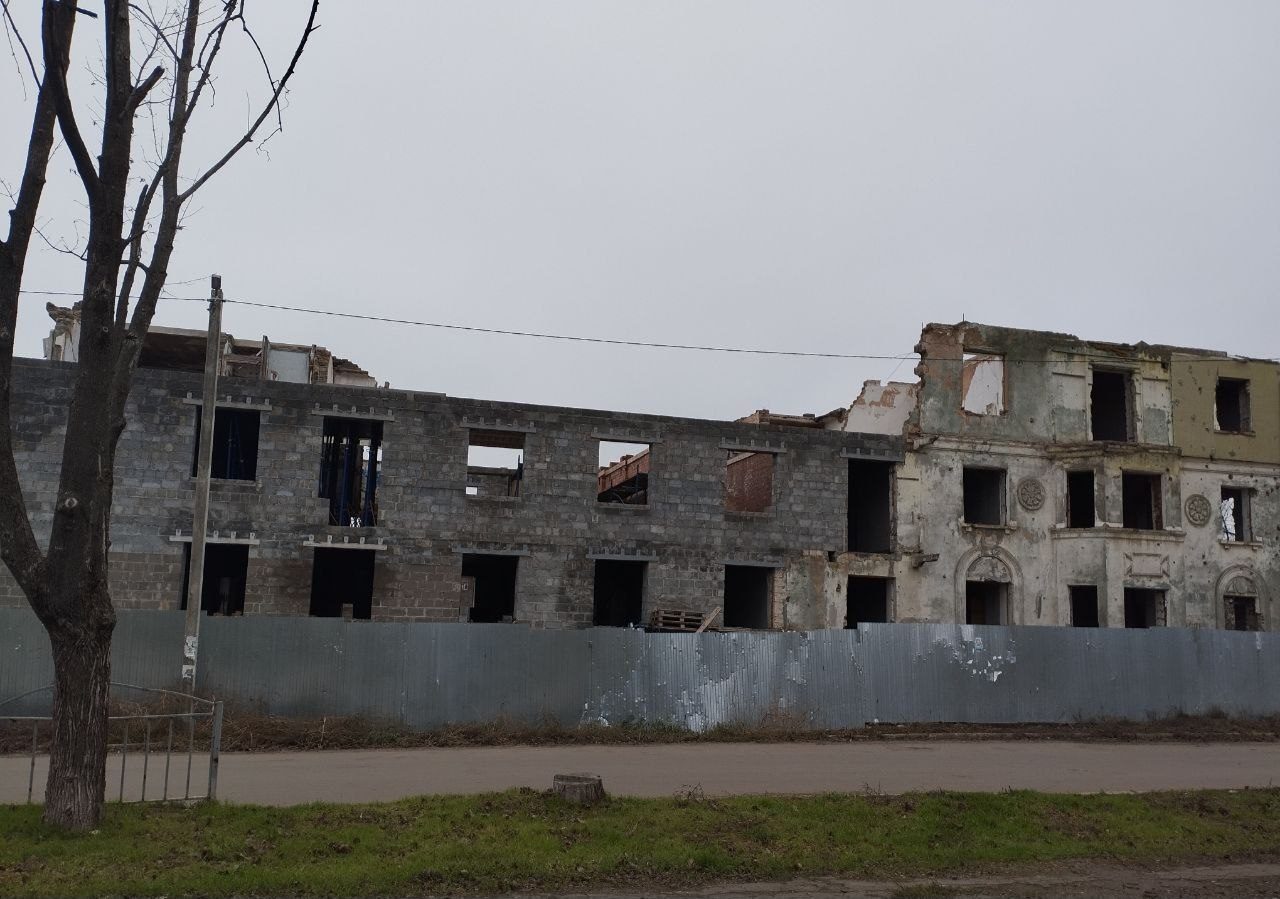
War destruction in Mariupol
Field photographs of war-destroyed and damaged buildings across occupied Mariupol, including the shrapnel-scarred wall marked “ЛЮДИ” (people).
1 / 19